feedzop-word-mark-logo
searchLogin
Feedzop
homeFor YouUnited StatesUnited States
You
bookmarksYour BookmarkshashtagYour Topics
Trending
Terms of UsePrivacy PolicyAboutJobsPartner With Us

© 2026 Advergame Technologies Pvt. Ltd. ("ATPL"). Gamezop ® & Quizzop ® are registered trademarks of ATPL.

Gamezop is a plug-and-play gaming platform that any app or website can integrate to bring casual gaming for its users. Gamezop also operates Quizzop, a quizzing platform, that digital products can add as a trivia section.

Over 5,000 products from more than 70 countries have integrated Gamezop and Quizzop. These include Amazon, Samsung Internet, Snap, Tata Play, AccuWeather, Paytm, Gulf News, and Branch.

Games and trivia increase user engagement significantly within all kinds of apps and websites, besides opening a new stream of advertising revenue. Gamezop and Quizzop take 30 minutes to integrate and can be used for free: both by the products integrating them and end users

Increase ad revenue and engagement on your app / website with games, quizzes, astrology, and cricket content. Visit: business.gamezop.com

Property Code: 5571

Home / Health / Body Clock Chaos Linked to Higher Dementia Risk

Body Clock Chaos Linked to Higher Dementia Risk

5 Jan

•

Summary

  • Weaker circadian rhythms increase dementia likelihood.
  • Later circadian rhythm peaks may raise risk by 45%.
  • Over 2,100 older adults were monitored for 3 years.
Body Clock Chaos Linked to Higher Dementia Risk

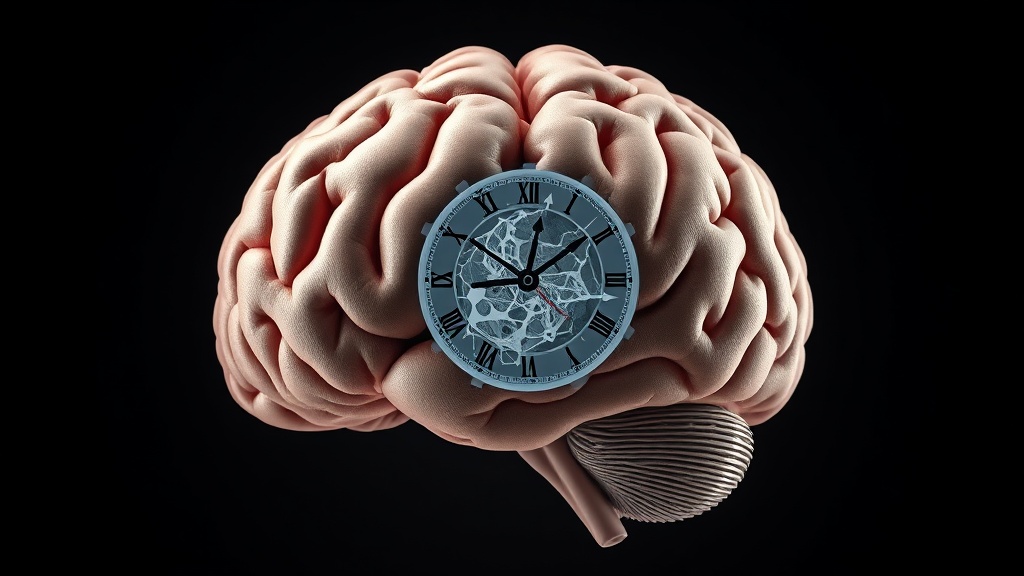
A significant study suggests that disruptions in our internal body clock, or circadian rhythm, may be a key factor in dementia risk. Researchers found that individuals with weaker and more irregular circadian rhythms, which govern sleep and activity patterns, demonstrated a substantially higher chance of developing dementia over a three-year period. This research analyzed data from over 2,100 older adults, tracking their daily rest and activity cycles.

The findings revealed that a pronounced irregularity in circadian rhythms nearly doubled the risk of dementia compared to those with strong, consistent rhythms. Furthermore, participants whose body clock activity peaked later in the day, specifically after 2:15 pm, faced a 45% increased risk of dementia compared to those with earlier peaks around 1:11 pm.

These disruptions could affect crucial bodily processes such as inflammation and sleep quality, potentially influencing the buildup of amyloid plaques in the brain, a hallmark of Alzheimer's disease. While changes in circadian rhythms are a natural part of aging, this study highlights their potential role as a modifiable risk factor for neurodegenerative conditions.

trending

CIA spy Aldrich Ames dies

trending

Ray Jayawardhana: Caltech president

trending

West Ham loses to Nottingham

trending

Preschool data security concerns

trending

Juventus beats Sassuolo 3-0

trending

Cavaliers beat Pacers twice

trending

Michigan survives close Penn State

trending

Islanders rout the Devils 9-0

trending

Lions fire John Morton

Disclaimer: This story has been auto-aggregated and auto-summarised by a computer program. This story has not been edited or created by the Feedzop team.
A circadian rhythm is your internal 24-hour body clock. Weaker, more irregular rhythms are linked to a higher risk of dementia.
Yes, studies suggest that disrupted sleep patterns, often associated with weak circadian rhythms, may elevate dementia risk.
Circadian rhythms peaking later in the day were associated with a 45% higher risk of developing dementia.

Read more news on

Healthside-arrow

You may also like

Dance Your Way to a Sharper Mind

1 day ago • 3 reads

article image

Small Heads, Lower Education Raise Dementia Odds

2 Jan • 28 reads

article image

Night Shift Linked to Aggressive Breast Cancer

26 Dec, 2025 • 68 reads

article image

Obesity & Choline Lack: Brain Aging Alarm

2 Dec, 2025 • 206 reads

article image

Boost Activity, Cut Dementia Risk by 45%

28 Nov, 2025 • 212 reads

article image