feedzop-word-mark-logo
searchLogin
Feedzop
homeFor YouUnited StatesUnited States
You
bookmarksYour BookmarkshashtagYour Topics
Trending
Terms of UsePrivacy PolicyAboutJobsPartner With Us

© 2026 Advergame Technologies Pvt. Ltd. ("ATPL"). Gamezop ® & Quizzop ® are registered trademarks of ATPL.

Gamezop is a plug-and-play gaming platform that any app or website can integrate to bring casual gaming for its users. Gamezop also operates Quizzop, a quizzing platform, that digital products can add as a trivia section.

Over 5,000 products from more than 70 countries have integrated Gamezop and Quizzop. These include Amazon, Samsung Internet, Snap, Tata Play, AccuWeather, Paytm, Gulf News, and Branch.

Games and trivia increase user engagement significantly within all kinds of apps and websites, besides opening a new stream of advertising revenue. Gamezop and Quizzop take 30 minutes to integrate and can be used for free: both by the products integrating them and end users

Increase ad revenue and engagement on your app / website with games, quizzes, astrology, and cricket content. Visit: business.gamezop.com

Property Code: 5571

Home / Health / Blood Sugar Spikes Linked to Alzheimer's Risk

Blood Sugar Spikes Linked to Alzheimer's Risk

16 Jan

•

Summary

  • Higher post-meal blood sugar significantly increases Alzheimer's disease risk.
  • A UK Biobank study analyzed over 350,000 individuals aged 40-69.
  • Managing blood sugar spikes may offer new dementia prevention strategies.
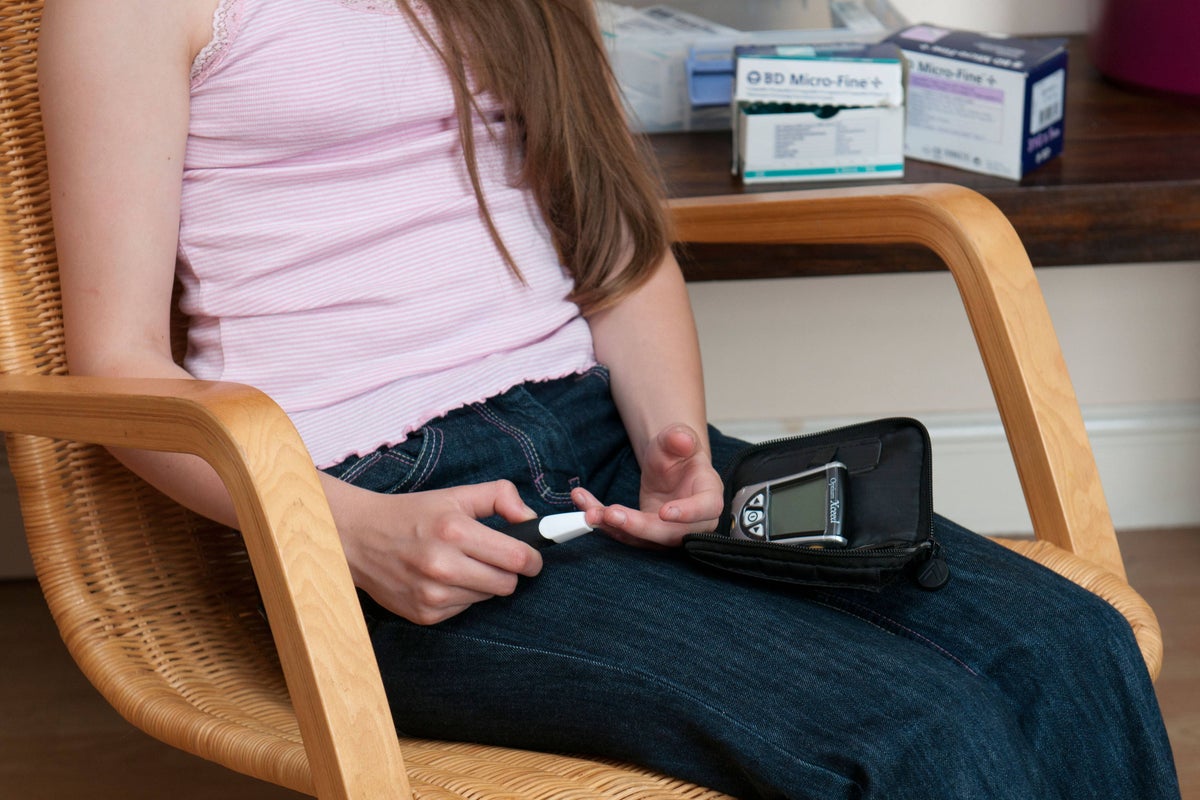
Blood Sugar Spikes Linked to Alzheimer's Risk

Elevated blood sugar levels following meals have been identified as a significant risk factor for developing Alzheimer's disease, according to a recent study. Researchers analyzed genetic data from over 350,000 individuals, examining markers of sugar processing, including blood glucose measured two hours after eating.

The findings revealed a striking 69% increased risk of Alzheimer's in participants with higher post-meal blood sugar spikes. This association was observed independently of overall brain size or white matter damage, suggesting more subtle biological mechanisms are at play.

This research highlights the potential for new preventative approaches, particularly for individuals managing diabetes or pre-diabetes. Experts emphasize the need to replicate these results and explore the underlying biology, which could lead to novel strategies for reducing dementia risk.

trending

Michigan 100-vehicle pileup closes I-196

trending

Bills fire Sean McDermott

trending

Projected AP Top 25

trending

Russia's Kamchatka snow disaster

trending

Orlando weather: Cold front arrives

trending

NBA All-Star 2026 starters

trending

Aurora borealis visible in Pennsylvania

trending

Snow squalls hit Ontario

trending

US markets closed Monday

Disclaimer: This story has been auto-aggregated and auto-summarised by a computer program. This story has not been edited or created by the Feedzop team.
The study found that higher post-meal blood sugar spikes correlate with a significantly increased risk of developing Alzheimer's disease.
Elevated glucose levels after eating may contribute to Alzheimer's risk through subtle mechanisms not yet fully understood.
Yes, managing blood sugar, especially post-meal spikes associated with diabetes, could be a key strategy for dementia prevention.

Read more news on

Healthside-arrow

You may also like

Microplastics Invade Human Brains

5 Jan • 92 reads

article image

Small Heads, Lower Education Raise Dementia Odds

2 Jan • 110 reads

article image

Sleep: The True Key to a Longer Life?

15 Dec, 2025 • 201 reads

Boost Your Brain: Simple Habits for Lasting Health

6 Dec, 2025 • 229 reads

article image

Poor Kidneys Double Dementia Risk for Some

5 Dec, 2025 • 258 reads

article image