Home / Health / Stop Birth Control? Your Blood Sugar May Change
Stop Birth Control? Your Blood Sugar May Change
4 Aug
Summary
- Hormonal pills can affect insulin sensitivity and blood sugar.
- Stopping birth control may cause temporary blood sugar shifts.
- Women with PCOS or diabetes need to monitor changes closely.
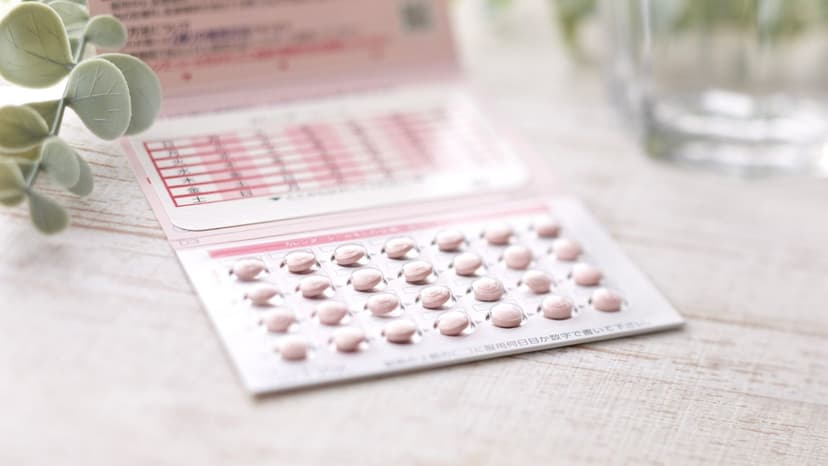
Hormonal contraceptive pills are widely used for managing various health conditions beyond pregnancy prevention. Consequently, many women are concerned about potential metabolic and blood sugar changes after discontinuing these medications. While adjustments in menstrual cycles are well-documented, the impact on glucose regulation is less discussed.
Reproductive hormones like estrogen and progesterone can influence insulin sensitivity and metabolism. The effects of stopping birth control pills can vary based on the contraceptive type, duration of use, and individual health. For women with diabetes, prediabetes, or PCOS, understanding these potential changes is crucial.
Oral contraceptives can affect insulin sensitivity, and withdrawal may lead to temporary shifts lasting 6-12 weeks as natural cycles re-establish. This transition can be more pronounced in women with PCOS, a family history of diabetes, those who gained weight on the pill, or individuals over 35.
Combination pills can mask underlying insulin resistance, particularly in PCOS cases. Progestin-only pills have milder metabolic effects. Appetite may also increase due to a temporary rise in ghrelin, the hunger hormone. If birth control was for PCOS management, stopping the pill reveals the true metabolic state.
Women with diabetes, prediabetes, or PCOS should monitor fasting blood glucose and symptoms closely after stopping the pill. Warning signs like unexplained weight changes, excessive thirst, fatigue, or a lack of returning menstrual cycles within three months warrant medical attention.


