Home / Health / Bird Watching Aids Stroke Survivors' Recovery
Bird Watching Aids Stroke Survivors' Recovery
4 Oct
Summary
- Bird watching offers a low-pressure environment for stroke survivors with aphasia.
- The University of Montana's program uses nature and bird themes for communication.
- Shared attention in group bird watching improves well-being and quality of life.
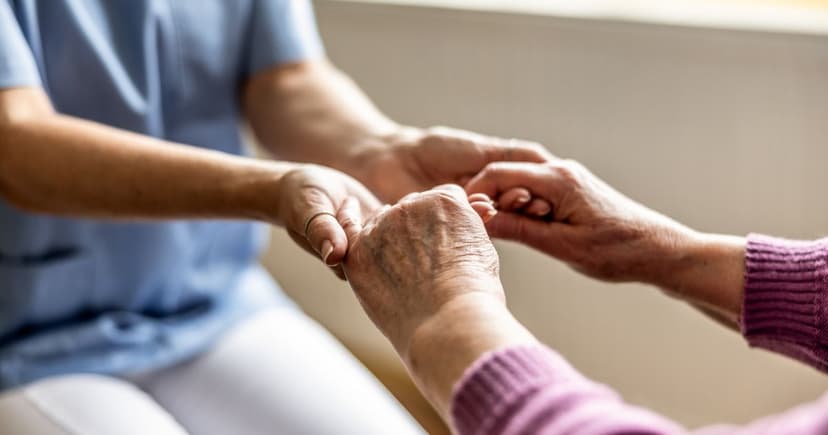
A groundbreaking program at the University of Montana is leveraging the power of bird watching to support stroke survivors with aphasia. This initiative, developed in partnership with avian ecologists and speech-language experts, creates a natural setting for communication rehabilitation. Participants engage in bird-themed activities, fostering shared attention and curiosity.
The program aims to scale this unique approach to help stroke survivors beyond Montana. It began in 2021 when participants expressed interest in owls, leading to activities using owl artifacts to practice conversation. This collaboration has since become a vital part of the university's birding program.
Aphasia, often caused by stroke, makes communication difficult. It affects speech, understanding, reading, and writing, impacting social participation and increasing isolation. Experts emphasize that effective rehabilitation combines clinical treatment with meaningful real-life engagement, encouraging communication through shared interests like bird watching.


