Home / Health / Bangladesh Battles Dengue Amidst Overwhelmed Measles Crisis
Bangladesh Battles Dengue Amidst Overwhelmed Measles Crisis
15 Jul
Summary
- Dengue cases surged from 714 to over 7,110, with 19 deaths reported.
- Measles has hospitalized over 113,000, causing 718 deaths, mostly in young children.
- Misdiagnosis of dengue and measles can lead to fatal consequences due to different treatments.
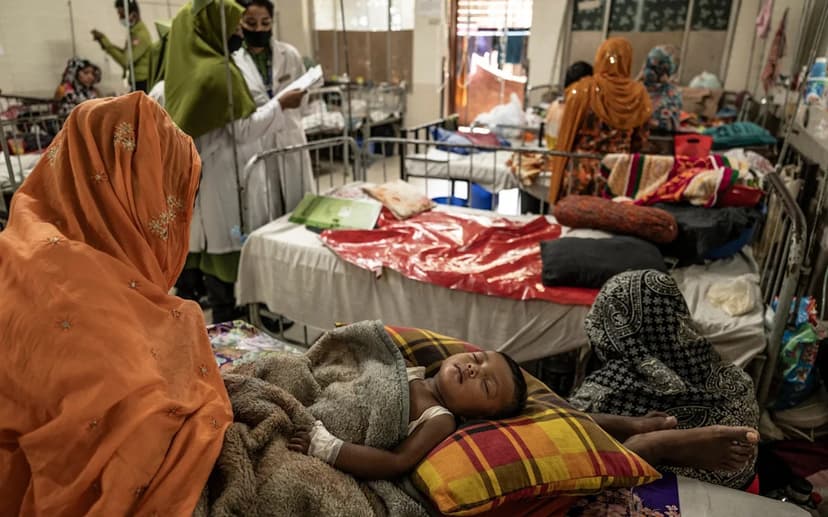
Bangladesh is facing a critical health emergency, with a major dengue fever outbreak escalating alongside an already overwhelming measles epidemic. Dengue cases have risen sharply from 714 at the start of the year to over 7,110 by early July, resulting in 19 recorded deaths. This surge places immense pressure on a healthcare system already struggling with the measles crisis.
The measles epidemic has led to over 113,000 hospitalizations and 718 deaths, with a disproportionate impact on children under five. Experts highlight the dangerous potential for misdiagnosis, as both diseases share symptoms like fever and rash. Incorrectly identifying dengue as measles or vice versa can lead to improper treatment, potentially causing severe complications or death, especially for vulnerable young children with immature immune systems.
The dual threat is exacerbated by the approaching rainy season, which is conducive to both mosquito breeding for dengue and closer human contact for measles transmission. Experts call for improved information systems for tracking vaccine coverage and enhanced laboratory surveillance for dengue strains. The lack of dedicated treatments for both diseases remains a significant gap in public health preparedness. The situation in Bangladesh mirrors concerns in other parts of Southeast Asia, indicating a broader regional challenge.
Reports from Dhaka's hospitals reveal crowded wards where children have tragically died from measles. The country's previous success in immunisation programs has led some clinicians to lose their diagnostic edge for measles. Limited access to laboratory testing further complicates accurate diagnosis for many patients relying on public healthcare. The escalating situation necessitates urgent public health responses, including potential vaccination campaigns and robust vector control measures.


