Home / Health / Rethinking Autism: Why 'Spectrum' Falls Short
Rethinking Autism: Why 'Spectrum' Falls Short
11 Jun
Summary
- The 'autism spectrum' concept, though widely used, may oversimplify diverse autistic experiences.
- Autism involves a complex mix of traits, not a linear arrangement from mild to severe.
- Shifting language away from a single spectrum values autistic people in their diversity.
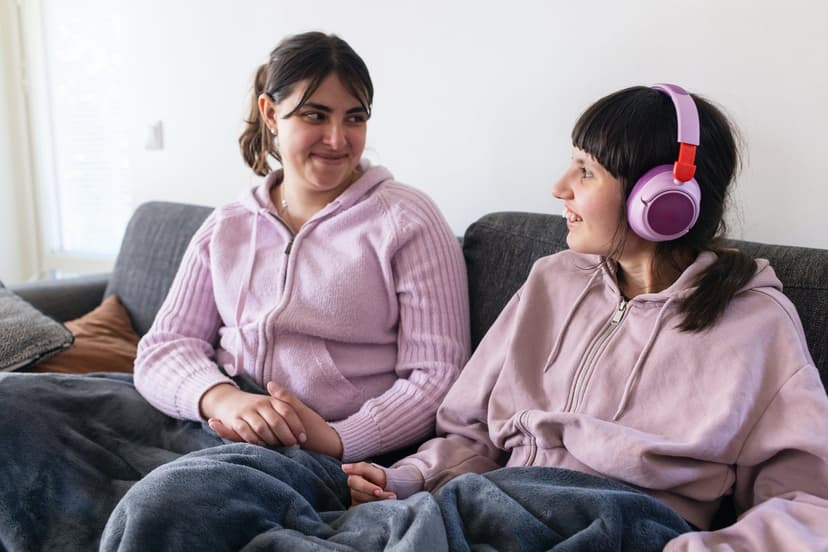
The widely used term 'autism spectrum' and related phrases like 'on the spectrum' are being critically re-examined by experts. While Dr. Lorna Wing's groundbreaking work in the 1980s introduced the concept of a spectrum to understand autism's varied traits, a single line from 'mild' to 'severe' is now considered an oversimplification.
Autism is characterized by a unique combination of diverse traits and needs. These can include reliance on routine, repetitive movements known as "stimming," intense focus, and links to physical conditions like hypermobility. Consequently, autism cannot be accurately represented on a single linear scale.
Current diagnostic approaches, such as the American Psychiatric Association's three "levels" of support needs, are often criticized for being vague and inconsistently applied. Furthermore, life circumstances, like menopause or prolonged unmet needs leading to "burnout," can dynamically alter an autistic person's support requirements, which static levels fail to address.
The debate extends to newer labels like "profound autism" and historical terms such as "Asperger's syndrome." Critics argue these terms are unhelpful, dividing autistic people and carrying problematic historical associations, particularly concerning Hans Asperger's involvement during the Nazi era. Such categorizations risk devaluing individuals and can fuel harmful political agendas.
Many autistic adults prefer direct language like "autism" and "autistic," viewing autism as a different way of being rather than a defect or a scale of severity. Shifting away from the idea of a singular spectrum is seen as a crucial step towards societal acceptance, recognizing autism's full diversity and valuing autistic individuals as they are.


