Home / Health / Non-Speaking Autism: 2/3 Gain Words with Early Help
Non-Speaking Autism: 2/3 Gain Words with Early Help
28 Jan
Summary
- Two-thirds of non-speaking autistic children gained single words post-intervention.
- Half of these children developed more complex language skills.
- Early intervention duration was more impactful for nonverbal children.
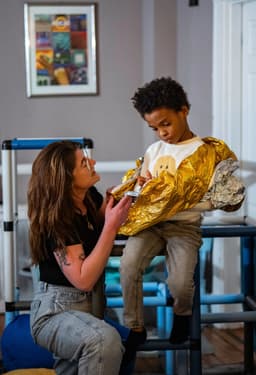
Early intervention significantly boosts spoken language abilities in most non-speaking children with autism, a recent study reveals. Researchers found that approximately two-thirds of preschoolers who did not speak initially gained the ability to use single words after receiving early treatment. Furthermore, about half of these children progressed to using more complex language.
The study tracked 707 preschoolers with autism over six months to two years, with treatment provided at least 10 hours weekly. Findings indicate that the length of intervention was particularly crucial for children who were initially nonverbal. This suggests that longer-term programs might be more effective than intensive, shorter ones.
While many children showed improvement, about one-third did not benefit from early intervention. These children typically had lower initial scores in thinking, motor skills, socialization, and adaptability. Conversely, children who demonstrated imitation skills, such as copying gestures, were more likely to develop spoken language, indicating that these foundational communication behaviors may pave the way for verbal skills.