Home / Health / Kids' Fitness Plunges: Australia's 'D Minus' Report
Kids' Fitness Plunges: Australia's 'D Minus' Report
12 Nov
Summary
- Australian children rank poorly in global fitness tests.
- High sports costs are a major barrier for many families.
- Less than a quarter of primary students walk to school.
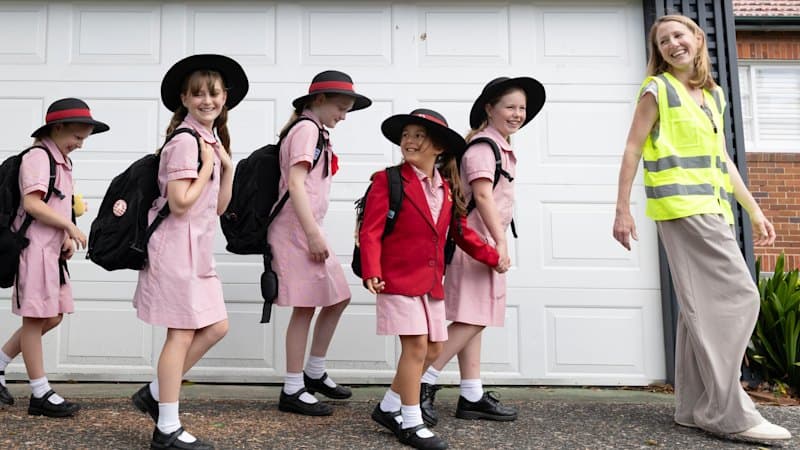
Australian children are facing a significant decline in physical fitness, earning a 'D minus' on global comparisons for aerobic and muscular strength. This alarming trend is detailed in the Blueprint for an Active Australia report, a collaboration of leading health experts.
The report identifies several key barriers to children's activity, including the high cost of organised sport, with average annual expenses reaching $4500 per child. Safety concerns also deter parents from allowing children to walk or cycle to school, a practice adopted by fewer than one-quarter of primary students.
Experts like Elizabeth Calleja emphasize the need for more autonomy and opportunities for children to be active. Initiatives like 'Walked By' in Mosman are addressing safety concerns by providing supervised walking school buses, charging parents $5 per child.
Furthermore, schools' risk-averse policies and a litigious society have led to reduced opportunities for 'risky play', which is crucial for developing confidence and fundamental movement skills. Dr. Jordan Smith notes that the benefits of physical activity extend to improved academic performance and mental health.
Physical education becomes optional in high school, a critical time for addressing emerging mental health issues. Experts advocate for maintaining physical activity, citing evidence that it enhances cognitive function, memory, and academic outcomes without compromising curriculum time.
The Blueprint aims to remove barriers to physical activity for all children, addressing inconsistent government incentives. Elizabeth Calleja is presenting the report's recommendations to policymakers, stressing the importance of incorporating physical literacy alongside traditional academic subjects.


