
Home / Health / Asia's First HPN Center Empowers Patients
Asia's First HPN Center Empowers Patients
4 Jun
Summary
- KMUH established the Asia-Pacific's first HPN Training Center.
- AI-assisted monitoring predicts complications and enhances safety.
- Program offers support to low-income patients, ensuring equitable access.
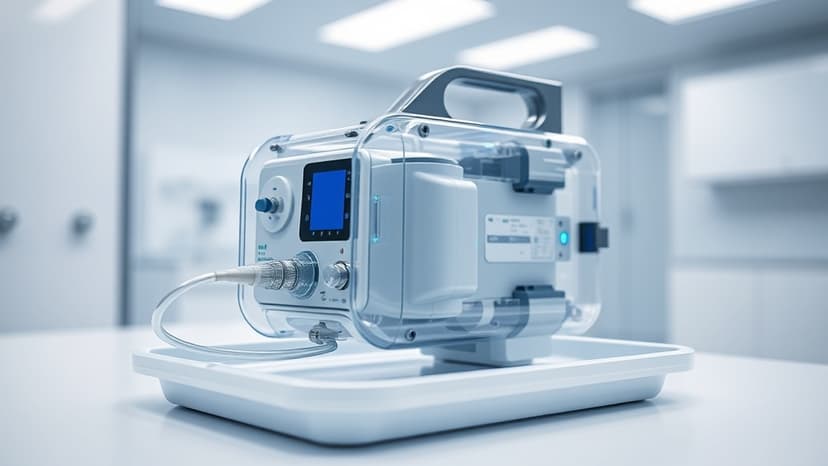
Kaohsiung Medical University Chung-Ho Memorial Hospital (KMUH) is pioneering a transformative approach to Home Parenteral Nutrition (HPN), offering a vital lifeline for patients with gastrointestinal cancer, short bowel syndrome, or intestinal failure. As the first hospital in the Asia-Pacific to establish a dedicated HPN Training Center, KMUH is reshaping chronic care with a multidisciplinary, patient-centered model.
The HPN program was developed to enable patients to receive intravenous nutrition safely at home, reducing prolonged hospital stays. This comprehensive ecosystem involves gastroenterologists, surgeons, pharmacists, nutritionists, case managers, and nurses, who guide patients and caregivers through rigorous training in sterile techniques and equipment operation.
KMUH's innovative model integrates digital tools, including AI-assisted monitoring platforms, to predict complications and enhance patient safety. Patients utilize a mobile app for daily data logging, which alerts care teams to potential issues, enabling early interventions. This approach not only improves patient outcomes but also increases cost-efficiency.
Recognized with prestigious awards, including Taiwan's Symbol of National Quality (SNQ) Gold Medal, KMUH's HPN team exemplifies excellence. The program actively shares its standardized protocols with regional hospitals across Southeast Asia, elevating KMUH as a key reference center for advanced nutritional therapy.
Ensuring equity, KMUH provides access to all eligible patients, including low-income and rural residents, through subsidies and outreach programs. The hospital is also adapting its HPN model for international humanitarian projects, recently collaborating to build nutritional support capacity in Somaliland.
