feedzop-word-mark-logo
searchLogin
Feedzop
homeFor YouUnited StatesUnited States
You
bookmarksYour BookmarkshashtagYour Topics
Trending
Terms of UsePrivacy PolicyAboutJobsPartner With Us

© 2026 Advergame Technologies Pvt. Ltd. ("ATPL"). Gamezop ® & Quizzop ® are registered trademarks of ATPL.

Gamezop is a plug-and-play gaming platform that any app or website can integrate to bring casual gaming for its users. Gamezop also operates Quizzop, a quizzing platform, that digital products can add as a trivia section.

Over 5,000 products from more than 70 countries have integrated Gamezop and Quizzop. These include Amazon, Samsung Internet, Snap, Tata Play, AccuWeather, Paytm, Gulf News, and Branch.

Games and trivia increase user engagement significantly within all kinds of apps and websites, besides opening a new stream of advertising revenue. Gamezop and Quizzop take 30 minutes to integrate and can be used for free: both by the products integrating them and end users

Increase ad revenue and engagement on your app / website with games, quizzes, astrology, and cricket content. Visit: business.gamezop.com

Property Code: 5571

Home / Health / Apple Watch Detects AFib 4x More Often

Apple Watch Detects AFib 4x More Often

25 Jan

•

Summary

  • Apple Watch study found AFib four times more often.
  • This wearable tech could potentially lower stroke risk.
  • Smartwatch diagnosis aids asymptomatic patients significantly.

Apple Watch Detects AFib 4x More Often

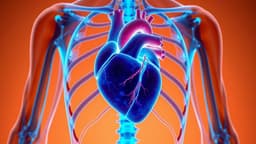
A groundbreaking study conducted at Amsterdam University's Medical Centre has demonstrated the significant potential of Apple Watches in detecting atrial fibrillation (AFib). Over a six-month period, monitoring over 400 patients aged 65 and above with elevated stroke risk, researchers found that abnormal heartbeats were detected four times more frequently in individuals wearing an Apple Watch compared to those receiving standard care.

This enhanced detection rate, with 21 diagnoses in the smartwatch group versus five in the standard care group, could lead to a reduction in stroke risk. Cardiologists involved in the project highlighted that smartwatches offer a more patient-friendly and continuous monitoring solution than traditional ECG devices, which are often used for shorter periods and can be inconvenient.

The study revealed that a substantial portion of AFib diagnoses made via smartwatch were in asymptomatic patients, who might otherwise have gone undiagnosed for longer. This expedited diagnostic process, enabled by wearable technology combining PPG and ECG functions, not only benefits patients but also offers potential cost savings for the healthcare system. These findings, presented at the European Society of Cardiology's annual symposium, strongly support the use of wearables for long-term screening of irregular heart rhythms.

trending

Warrington Hospital baby death

trending

New Dragon Ball Super anime

trending

Sabalenka beats Mboko in Australia

trending

Kristi Noem shooting contradicted

trending

Paramount extends Warner Bros bid

trending

Snowstorm arrives tomorrow

trending

Gaethje vs Pimblett UFC

trending

Alexander Zverev advances in Australia

trending

Dončić leads Lakers over Mavericks

Disclaimer: This story has been auto-aggregated and auto-summarised by a computer program. This story has not been edited or created by the Feedzop team.
Abnormal heartbeats were detected four times more often in the group wearing an Apple Watch compared to those receiving standard care.
The study suggests that by detecting atrial fibrillation more frequently, Apple Watches potentially contribute to lowering stroke risk.
Yes, the research indicated that smartwatch use led to significant diagnoses in asymptomatic individuals, aiding early detection of arrhythmia.

Read more news on

Healthside-arrow

You may also like

New Pacemaker Trains Heart to Burn Fat, Not Sugar

18 Jan • 29 reads

article image

Older Athletes: Exercise May Trigger Heart Risks

17 Jan • 34 reads

article image

LA Fires' Hidden Toll: Major Health Impacts Revealed

18 Dec, 2025 • 29 reads

article image

Sleep: The Hidden Heart & Brain Booster

15 Dec, 2025 • 170 reads

article image

South India's Unique Heart Gene Risk Found

1 Dec, 2025 • 188 reads

article image