Home / Health / Appendix: Not So Useless After All?
Appendix: Not So Useless After All?
22 Dec
Summary
- The appendix serves as a reservoir for beneficial gut bacteria.
- It plays a role in the immune system, especially early in life.
- Appendicitis is a common surgical emergency requiring timely intervention.
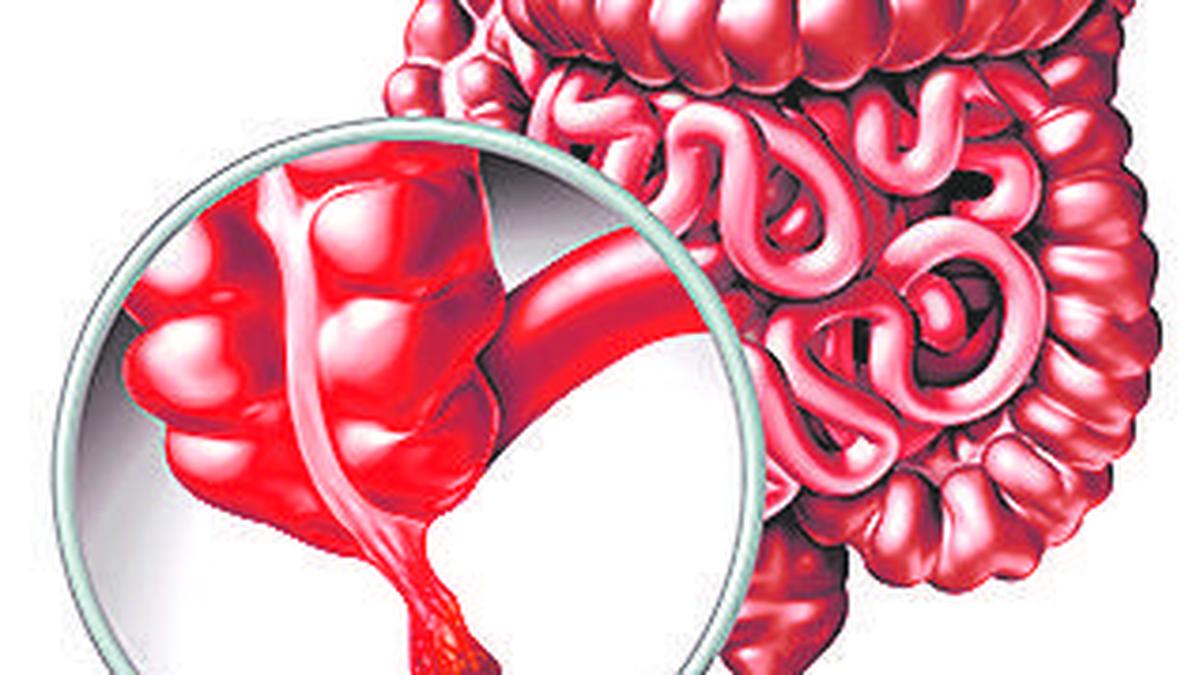
For decades, the human appendix was considered a vestigial organ, but current research reveals its significant functions. This small pouch attached to the large intestine acts as a reservoir for beneficial gut bacteria, crucial for restoring digestive health after illnesses like diarrhea. Experts also highlight its role in supporting the immune system, particularly during early life, by facilitating the exposure of white blood cells to antigens.
Appendicitis, an inflammation of the appendix, remains a common surgical emergency. Symptoms typically include abdominal pain that shifts to the lower right side, fever, nausea, and vomiting. While around 9% of the population is affected, often in their twenties and thirties, it can occur at any age. Obstructions from hardened stools or infections commonly cause appendicitis, and delaying treatment can lead to a rupture, posing a life-threatening risk.
Treatment for appendicitis usually involves an appendectomy, with minimally invasive laparoscopic or robotic surgery offering quick recovery. In some uncomplicated cases, antibiotics may be an initial option, though surgery is the standard long-term solution due to a significant risk of recurrence. Post-surgery, recovery is typically swift, with minimal long-term health impacts, allowing individuals to lead normal lives.