Home / Health / Babies Born with Antibiotic Resistance Genes
Babies Born with Antibiotic Resistance Genes
20 Apr
Summary
- Antibiotic resistance genes found in newborns within 72 hours of life.
- Genes may allow bacteria to evade crucial antibiotic treatments.
- Exposure might occur during pregnancy, affecting infant health.
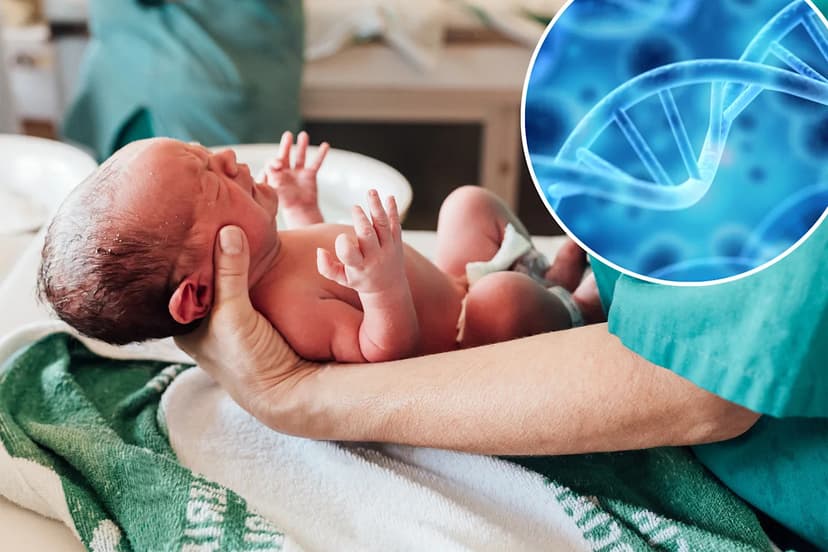
New research presented at the European Society of Clinical Microbiology and Infectious Diseases Global 2026 indicates that newborns may be born with antibiotic resistance genes (ARGs). These findings challenge previous assumptions that a newborn's gut microbiome is nearly sterile at birth.
Analysis of stool samples from 105 infants within their first 72 hours of life revealed the presence of ARGs. These genetic segments can enable bacteria to survive antibiotic exposure. Researchers also identified genes linked to resistance against commonly used antibiotics, suggesting a significant early establishment of antibiotic resistance in the neonatal gut.
Factors such as maternal hospitalization during pregnancy and the use of central venous catheters in the first 24 hours of life were connected to these resistance genes. The study suggests that maternal transmission, delivery, and early hospital exposures significantly shape the collection of these genes before birth.
While gut bacteria are vital for infant development, the presence of ARGs so early in life is concerning. Further research is needed to understand the impact on microbiome development and infection risk, highlighting the importance of surveillance and infection control in neonatal care.


