Home / Health / Heart Stents: Life-Saver or Unnecessary Procedure?
Heart Stents: Life-Saver or Unnecessary Procedure?
28 Oct
Summary
- Angioplasty is vital for immediate heart attack relief.
- Stable heart disease patients may benefit equally from optimal medical treatment.
- India's angioplasty procedures have risen six-fold since 2008.
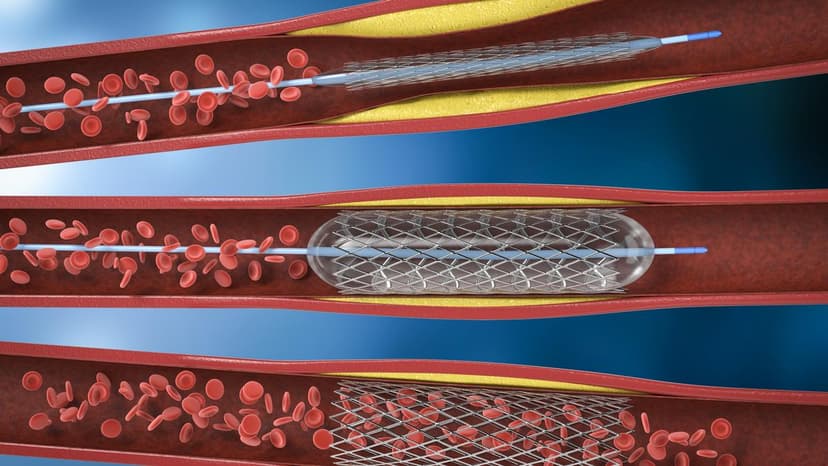
Percutaneous Coronary Intervention (PCI), including angioplasty and stents, has revolutionized cardiovascular care. It is unequivocally life-saving during acute heart attacks, restoring blood flow and preserving heart muscle. However, a crucial distinction exists between emergency interventions and elective stenting based solely on angiogram findings. The landmark ISCHEMIA trial demonstrated that for stable coronary artery disease patients with moderate to severe ischemia, an initial invasive strategy involving stenting yielded no significant difference in outcomes compared to optimal medical treatment over five years.
This finding suggests many patients with stable coronary artery disease could achieve similar results with medication and lifestyle changes alone. The trend in India shows a concerning rise in PCI procedures, increasing more than six-fold since 2008, while similar procedures have decreased in the U.S. This divergence prompts examination into the drivers behind India's escalating rates, including clinical need, practice patterns, and financial incentives.
Optimal medical therapy, encompassing cholesterol management, blood pressure control, and lifestyle adjustments, forms the cornerstone of care for all coronary artery disease patients. Stents address specific blockages but do not cure the underlying atherosclerosis. The focus must remain on saving lives and ensuring patients receive appropriate, timely, and affordable treatment, rather than solely on the number of procedures performed.


