Home / Health / Amish Rethink Vaccines After Measles Outbreak
Amish Rethink Vaccines After Measles Outbreak
5 Oct
Summary
- Amish communities are disproportionately affected by measles outbreaks.
- Vaccination decisions are often based on family tradition, not religious objection.
- Lack of insurance and cash-based medical systems influence vaccination rates.
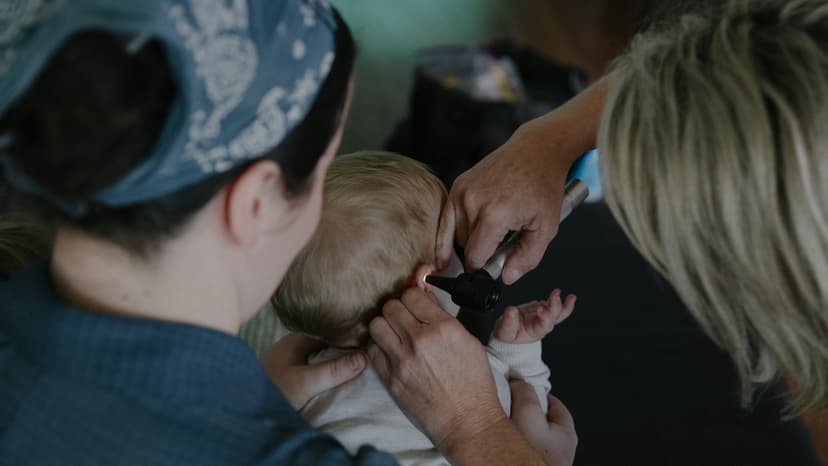
Measles cases have resurfaced in 2026, with Amish populations in Pennsylvania and Ohio bearing a significant burden of the illness. Contrary to popular belief, the Amish are not inherently anti-vaccine; their decisions are more nuanced, influenced by factors like lack of insurance, cash-based medical expenses, and traditional family practices.
Many Amish individuals had not previously encountered measles and underestimated its risks, leading to outbreaks within families. For instance, the Miller family in Ohio experienced six of seven children and the mother falling ill. This personal encounter with the severe symptoms of measles, which can lead to deafness and brain swelling, has prompted some, like Emma Miller, to decide to vaccinate their children.
Outreach efforts by individuals like registered nurse Stephanie Truckey, through her service Angels to Amish, aim to bridge the gap in medical care. While she doesn't administer measles shots, she facilitates connections to providers. The community's relative isolation from mainstream media shields them from vaccine hesitancy debates, making word-of-mouth and personal experience key influencers in health decisions.


