Home / Health / Alzheimer's Reversed in Mice: Nanoparticle Breakthrough
Alzheimer's Reversed in Mice: Nanoparticle Breakthrough
19 Sep
Summary
- Nanoparticles treated Alzheimer's in mice, reversing disease at molecular level.
- Researchers prevented overproduction of peptides causing harmful brain plaques.
- Biodegradable nanoparticles used have prior human drug delivery applications.
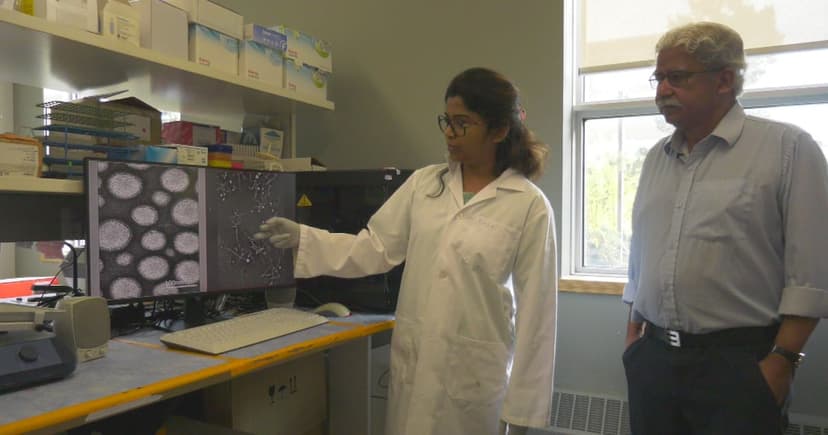
University of Alberta researchers are reporting a significant breakthrough in Alzheimer's disease research. A recent study published in Alzheimer's & Dementia demonstrated that nanoparticles could reverse the disease in mice at the molecular and cellular levels, leading to symptom improvement. Professor Dr. Satyabrata Kar, a leading researcher, expressed high excitement about the findings, noting that the nanoparticles prevented the overproduction of peptides responsible for harmful brain plaques.
The polylactic-co-glycolic acid (PLGA) nanoparticles employed in the study are biodegradable and have been previously utilized for delivering approximately 20 drugs in humans. Dr. Kar's novel application uses the nanoparticles themselves as a therapeutic agent. While this research offers substantial hope for the future, it is currently in the preclinical stage. Replication by other laboratories and further investigation are anticipated before widespread clinical adoption can be considered.


