feedzop-word-mark-logo
searchLogin
Feedzop
homeFor YouUnited StatesUnited States
You
bookmarksYour BookmarkshashtagYour Topics
Trending
trending

FRC probes EY's Shell audit

trending

San Ramon earthquake hits East

trending

Jacksonville State beats Troy Trojans

trending

Debra Newton abducted daughter

trending

Celebrini stars, Sharks beat Flames

trending

Wild activate Marcus Foligno

trending

Knicks win NBA Cup Final

trending

MacKinnon scores twice, Avalanche win

trending

Bitcoin price to touch $140,000

Terms of UsePrivacy PolicyAboutJobsPartner With Us

© 2025 Advergame Technologies Pvt. Ltd. ("ATPL"). Gamezop ® & Quizzop ® are registered trademarks of ATPL.

Gamezop is a plug-and-play gaming platform that any app or website can integrate to bring casual gaming for its users. Gamezop also operates Quizzop, a quizzing platform, that digital products can add as a trivia section.

Over 5,000 products from more than 70 countries have integrated Gamezop and Quizzop. These include Amazon, Samsung Internet, Snap, Tata Play, AccuWeather, Paytm, Gulf News, and Branch.

Games and trivia increase user engagement significantly within all kinds of apps and websites, besides opening a new stream of advertising revenue. Gamezop and Quizzop take 30 minutes to integrate and can be used for free: both by the products integrating them and end users

Increase ad revenue and engagement on your app / website with games, quizzes, astrology, and cricket content. Visit: business.gamezop.com

Property Code: 5571

Home / Health / Green Tea Nanoparticles Offer New Hope for Alzheimer's

Green Tea Nanoparticles Offer New Hope for Alzheimer's

17 Dec

•

Summary

  • New nanoparticles combine green tea, neurotransmitter, and amino acid.
  • Therapy simultaneously targets amyloid, oxidative stress, inflammation, and degeneration.
  • Nanoparticles disassembled plaques and improved memory in mouse models.
Green Tea Nanoparticles Offer New Hope for Alzheimer's

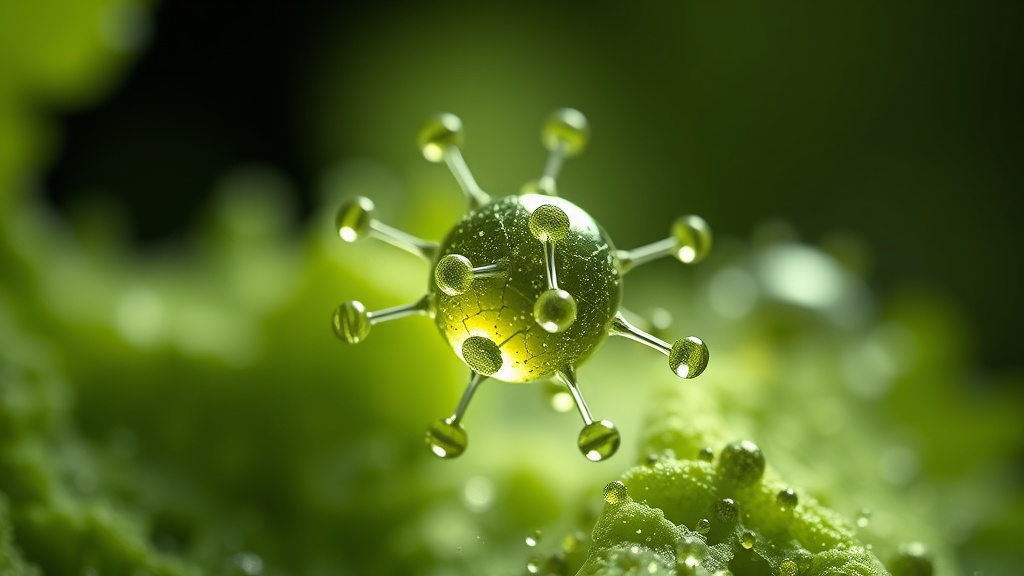
Scientists at the Institute of Nano Science and Technology in Mohali have pioneered a new nanoparticle-based approach for treating Alzheimer's Disease. Unlike conventional therapies that focus on single pathological features, this novel treatment integrates epigallocatechin-3-gallate from green tea, dopamine, and tryptophan into nanoparticles. This combination allows the therapy to simultaneously address four key hallmarks of Alzheimer's: amyloid aggregation, oxidative stress, inflammation, and neuronal degeneration.

The research further enhanced these nanoparticles by incorporating Brain-Derived Neurotrophic Factor (BDNF), creating a dual-action platform. This B-EDTNPs not only clear harmful amyloid-beta aggregates but also promote the regeneration of neurons. This integrated approach, combining antioxidant, anti-amyloid, and neurotrophic actions, represents a significant advancement in Alzheimer's therapeutic strategies.

Laboratory experiments and studies with mouse models demonstrated the nanoparticles' efficacy. They were observed to disassemble toxic plaques, reduce brain inflammation, restore cellular balance, and notably improve memory and learning functions. Computer simulations corroborated these findings, showing the nanoparticles actively disassembling amyloid-beta fibrils at a molecular level, offering a promising new avenue for Alzheimer's treatment.

Disclaimer: This story has been auto-aggregated and auto-summarised by a computer program. This story has not been edited or created by the Feedzop team.
INST researchers developed EGCG-dopamine-tryptophan nanoparticles (EDTNPs), later enhanced with BDNF (B-EDTNPs), to treat Alzheimer's by targeting multiple disease aspects simultaneously.
These nanoparticles integrate EGCG from green tea with other compounds to combat amyloid aggregation, oxidative stress, inflammation, and neuronal degeneration, offering a multi-faceted treatment.
In mouse models, the nanoparticles successfully disassembled toxic amyloid plaques, reduced brain inflammation, and improved memory and learning capabilities.

Read more news on

Healthside-arrow

You may also like

Neuroscientist Reveals 3 Ways to Grow Brain Cells

11 Dec • 36 reads

article image

New Blood Signal for Kids' Brain Injury Insight

9 Dec • 35 reads

article image

Tiny Genetic Flaw Causes 'Baby Alzheimer's'

6 Dec • 121 reads

article image

Obesity Linked to Faster Alzheimer's Decline

5 Dec • 87 reads

article image

Neuroscience Pioneer John Garthwaite Dies at 76

28 Nov • 65 reads

article image