Home / Health / Alzheimer's Clock Predicts Symptom Onset
Alzheimer's Clock Predicts Symptom Onset
20 Feb
Summary
- Blood test can predict Alzheimer's symptom onset timeline.
- Identifies high-risk individuals for faster treatment trials.
- Protein marker p-tau217 is key to the predictive clock.
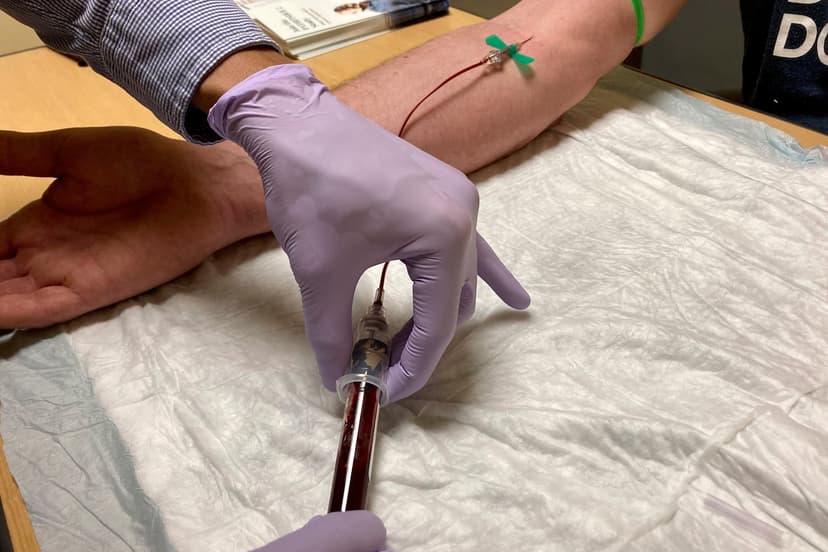
Researchers have developed a novel blood test capable of predicting the likely timeframe for Alzheimer's symptom onset. This advancement could significantly accelerate research into new treatments by identifying ideal participants for clinical trials: those without symptoms but at high risk of developing them soon.
The blood test focuses on the protein marker p-tau217, an indicator of amyloid plaque buildup in the brain, a hallmark of Alzheimer's disease. Studies show that higher levels of this protein correlate with a quicker development of symptoms, with age also playing a role in the timeline.
Experts suggest that if this predictive clock can be refined and validated in larger, diverse populations, it could become an invaluable tool. Its utility is closely tied to the development of drugs that can effectively slow or halt the disease's progression when administered early, offering hope for more targeted and beneficial interventions.