Home / Health / Pollution Poisons Pregnancy: Newborns at Risk
Pollution Poisons Pregnancy: Newborns at Risk
15 Dec
Summary
- Air pollution impacts fetal lung development and birth weight.
- Pollutants can cross the placenta, affecting fetal organs.
- Indoor and outdoor pollution increase risks for pregnant women.
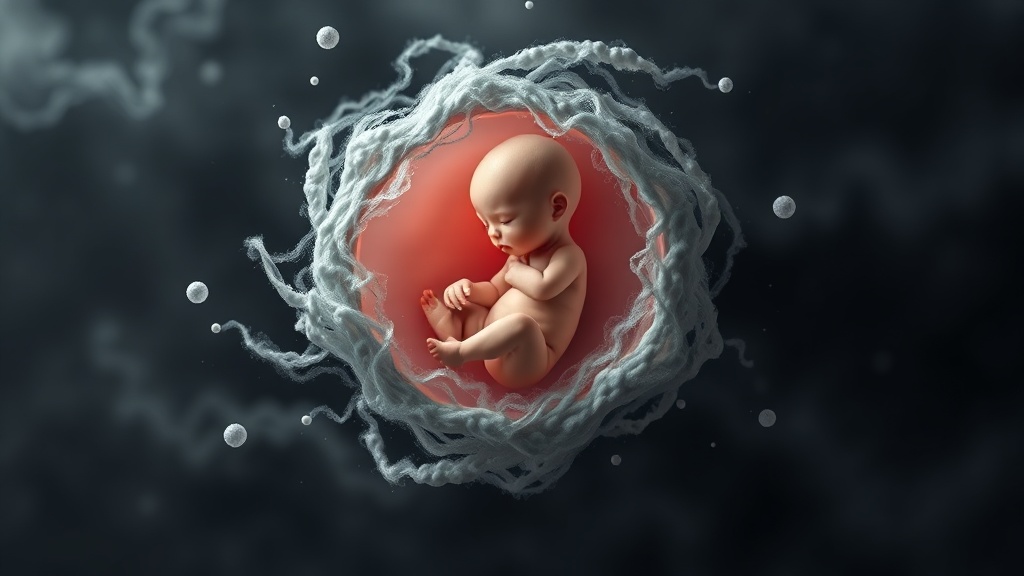
Air pollution presents a critical threat to the health of pregnant individuals and neonates, affecting development even before birth. Exposure to pollutants can lead to compromised lung development, low birth weight, and premature delivery. The passage of particulate matter through the placental barrier directly impacts fetal growth and organogenesis, potentially resulting in smaller lungs and impaired immune systems.
Following birth, newborns exposed to continued air pollution face increased risks of respiratory infections, such as pneumonia, and are more susceptible to developing asthma and allergies. The neurocognitive development of these children can also be negatively affected, placing them at a higher risk for chronic illnesses like diabetes and heart disease later in life.
Experts emphasize that physiological changes during pregnancy, including increased oxygen requirements and respiratory rates, make pregnant individuals more susceptible to inhaling a greater amount of pollutants. Public health initiatives focused on reducing community and traffic pollution are crucial, alongside personal measures like monitoring air quality and improving indoor air filtration.