Home / Health / AI Glasses Boost Memory for Dementia Patients
AI Glasses Boost Memory for Dementia Patients
19 Mar
Summary
- Smart glasses use AI assistant Wispy for verbal cues and floating text.
- Technology won a £1m prize to help people with dementia stay independent.
- Dementia patients named 82% of items with glasses, up from 46%.
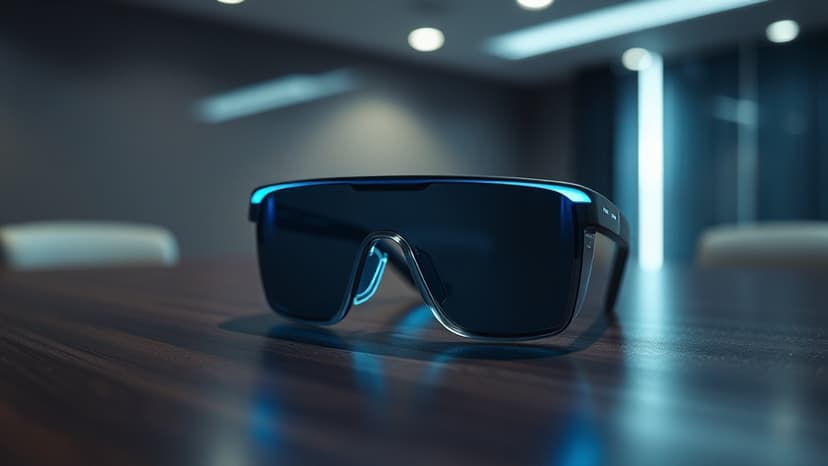
CrossSense, an AI software designed for smart glasses, has secured a £1 million prize to assist individuals with dementia. This technology integrates with a virtual assistant named Wispy, offering guidance through verbal prompts and text displayed directly in the wearer's field of vision. The system is designed to support daily tasks, promote reminiscence, and foster independence.
The software, embedded in smart glasses equipped with a camera, microphone, and speakers, aims to enhance the lives of people living with dementia. Initial testing demonstrated a substantial cognitive improvement, with users correctly identifying 82% of household items when using the glasses, a notable increase from the 46% accuracy observed without the technology. This benefit even persisted after the glasses were removed.
The prize money will facilitate the product's market launch. A smartphone version is anticipated by the end of this year, with the smart glasses scheduled for release in early 2027. A pilot program involving smart glasses in homes is planned for the last quarter of 2026. The technology is expected to cost approximately £50 per month via subscription, with the glasses priced up to £1,000.
Experts acknowledge the innovation of real-time prompts but highlight the need for larger studies to confirm long-term benefits and address ethical considerations. Challenges include user adoption and the current one-hour battery life of the smart glasses. Despite these concerns, users have expressed optimism about regaining independence.