Home / Health / AI Creates Unrealistic Beauty Standards for Surgery
AI Creates Unrealistic Beauty Standards for Surgery
16 May
Summary
- AI generates cartoonish beauty ideals, shocking doctors.
- AI-enhanced photo users have higher surgery outcome expectations.
- AI struggle with complex surgeries, realism remains key.
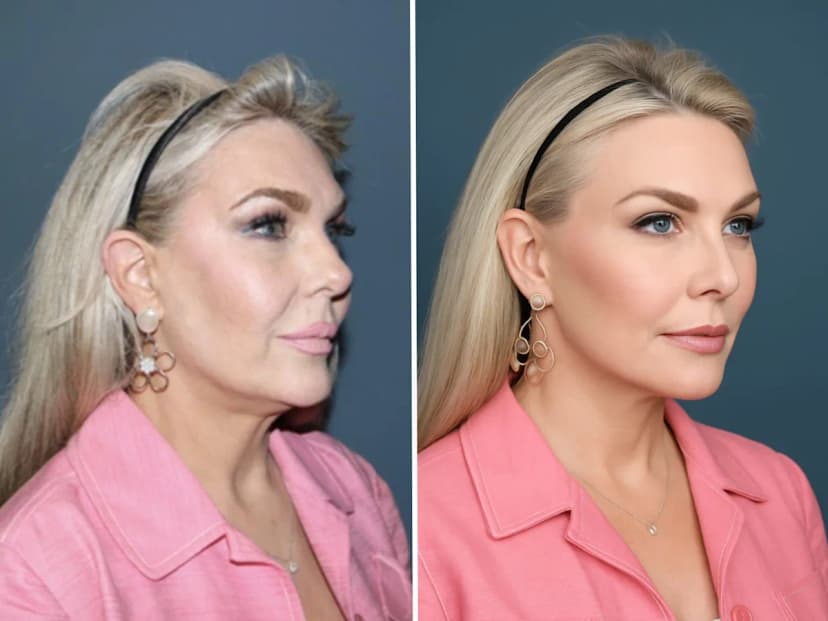
Artificial intelligence is reshaping beauty expectations, posing new challenges for cosmetic dermatologists and plastic surgeons. Patients are now presenting AI-generated images, often cartoonish or doll-like, as desired results for procedures. This trend, amplified by AI image generators like ChatGPT and specialized apps, follows a history of technology altering beauty standards, from Photoshop to social media filters.
Doctors report that patients who have used AI enhancers tend to have significantly higher expectations for surgical outcomes. This creates a difficult conversation, as these AI-generated images frequently depict physically impossible or unsafe results, such as enlarged eyes or extremely narrow waistlines. Surgeons must explain the physiological limitations and the difference between digital manipulation and surgical reality.
While AI can visualize certain features, it struggles with complex procedures like rhinoplasty and cannot account for individual facial structures or ethnicities. The 'Bratz doll' aesthetic, with plumped lips and large eyes, is a common AI output that deviates from natural features. This disconnect between AI ideals and achievable results requires extensive consultations to manage patient expectations and prioritize safety.
Despite the challenges, some medical professionals see potential in AI. Dr. Justin Sacks, a reconstructive plastic surgeon, uses AI tools for administrative tasks and envisions AI improving surgical simulation. However, the core concern remains the gap between AI-generated perfection and the biological realities of the human body, prompting surgeons to remind patients that 'bodies aren't clay.'


