feedzop-word-mark-logo
searchLogin
Feedzop
homeFor YouUnited StatesUnited States
You
bookmarksYour BookmarkshashtagYour Topics
Trending
Terms of UsePrivacy PolicyAboutJobsPartner With Us

© 2026 Advergame Technologies Pvt. Ltd. ("ATPL"). Gamezop ® & Quizzop ® are registered trademarks of ATPL.

Gamezop is a plug-and-play gaming platform that any app or website can integrate to bring casual gaming for its users. Gamezop also operates Quizzop, a quizzing platform, that digital products can add as a trivia section.

Over 5,000 products from more than 70 countries have integrated Gamezop and Quizzop. These include Amazon, Samsung Internet, Snap, Tata Play, AccuWeather, Paytm, Gulf News, and Branch.

Games and trivia increase user engagement significantly within all kinds of apps and websites, besides opening a new stream of advertising revenue. Gamezop and Quizzop take 30 minutes to integrate and can be used for free: both by the products integrating them and end users

Increase ad revenue and engagement on your app / website with games, quizzes, astrology, and cricket content. Visit: business.gamezop.com

Property Code: 5571

Home / Health / AI Diagnoses Rare Diseases, Offers Life-Saving Advice

AI Diagnoses Rare Diseases, Offers Life-Saving Advice

30 Jan

•

Summary

  • ChatGPT is increasingly used by people for medical advice.
  • AI can identify rare diseases doctors might overlook.
  • AI offers potential benefits but carries significant risks.
AI Diagnoses Rare Diseases, Offers Life-Saving Advice

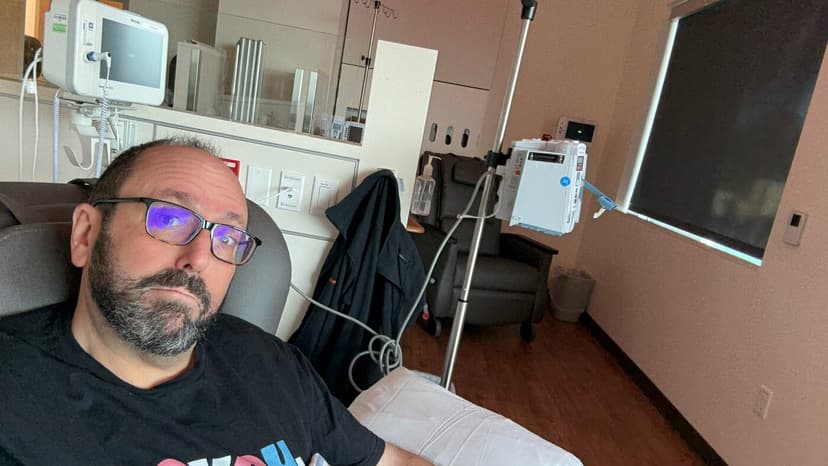
Artificial intelligence, particularly tools like ChatGPT, is rapidly becoming a significant resource for health information and preliminary diagnostics. Millions now consult these platforms weekly, with some users sharing instances where AI provided crucial advice that led to timely medical intervention for rare conditions.

Unlike human doctors who often follow a 'horses, not zebras' diagnostic approach due to time constraints, AI can dedicate extensive time to patient inquiries. This allows AI to explore less common diagnoses and analyze extensive medical knowledge beyond typical generalized understanding.

Patients are leveraging AI for daily well-being, managing chronic conditions, and translating complex medical test results. Some even use it to make understanding their diseases more memorable, often by requesting information in a specific persona, thus shifting their doctor appointments towards action-planning sessions.

trending

Ohio snow emergency declared

trending

TikTok down in United States

trending

Andreeva matches Venus Williams' feat

trending

Warrington Hospital baby death

trending

Alexander Zverev advances in Australia

trending

Oilers host Capitals

trending

London celebrates Chinese New Year

trending

Liza Minnelli defends AI use

However, the integration of AI in healthcare is not without considerable risks. As a consumer product, ChatGPT Health is not subject to the same stringent health privacy regulations as clinical systems. Lawsuits have emerged alleging psychological harm, including suicide-related claims, highlighting mental health concerns.

Medical professionals emphasize that AI is a supplement, not a replacement, for doctors. Without clinical oversight, there's a substantial risk of misdiagnosis, misleading advice, or misunderstanding, as seen in cases advising ivermectin for cancer or sodium bromide for salt intake reduction.

Despite these hazards, many experts are optimistic about AI's future in healthcare, foreseeing its benefits to eventually surpass the dangers. Studies indicate AI's diagnostic reasoning capabilities are competitive with humans, and tools like AI Scribe and OpenEvidence are already improving doctors' efficiency and patient interaction.

As AI continues its rapid integration into healthcare systems, its adoption is expected to become seamless for future generations. While concerns about AI's broader societal impact persist, its potential to support a struggling healthcare system in the United States is viewed by some as essential.


Disclaimer: This story has been auto-aggregated and auto-summarised by a computer program. This story has not been edited or created by the Feedzop team.
ChatGPT is being used by millions for health insights, preliminary diagnostics, and even identifying rare conditions that doctors might overlook.
Risks include potential misdiagnosis, misleading advice, lack of stringent privacy regulations for consumer products, and psychological harm.
No, AI is considered a supplement to, not a replacement for, doctors, and requires clinical oversight to avoid significant dangers.

Read more news on

Healthside-arrowOpenAIside-arrowArtificial Intelligence (AI)side-arrow

You may also like

Personalize ChatGPT Without Saving Chats

27 Jan • 27 reads

article image

ChatGPT Predicts User Ages to Protect Youth

21 Jan • 91 reads

article image

OpenAI Unlocks Health Insights with New ChatGPT Mode

8 Jan • 150 reads

article image

OpenAI Launches ChatGPT App Store, Unlocking New AI Possibilities

20 Dec, 2025 • 220 reads

article image

ChatGPT Gets a Personality Upgrade!

20 Dec, 2025 • 225 reads

article image