Home / Health / AI in Hospitals: Human Oversight Remains Key
AI in Hospitals: Human Oversight Remains Key
17 Sep
Summary
- 71% of US hospitals use predictive AI in EHRs.
- AI adoption faces operational transformation gaps.
- Workflows and job roles are adapting to AI integration.
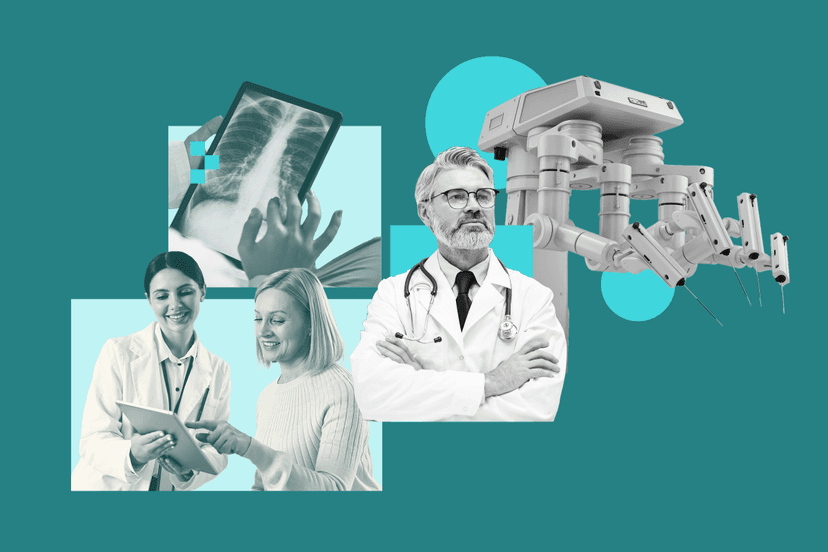
As 71 percent of U.S. hospitals implement predictive AI in electronic health records, the focus shifts from AI's presence to its integration. Health system leaders acknowledge AI is here to stay but are actively working to align it with current workflows, processes, and job descriptions. Human oversight remains critical in this high-stakes industry, prompting questions about how professionals will adapt to AI-driven changes in their tasks and responsibilities.
Organizations face a gap between their enthusiasm for AI-driven transformation and their capacity to implement it effectively. While care delivery transformation is a top priority, operationalizing AI-enabled systems scores low. This indicates that sustained operational change is difficult and slow. Tampa General Hospital exemplifies a practical approach, using over 110 AI applications without workforce reductions, instead leveraging AI to enhance capacity and improve outcomes like a significantly lower sepsis mortality rate.
Primary care confronts challenges with a constrained workforce, where AI could potentially equip professionals like nurse practitioners and physician assistants to manage more complex conditions. However, ensuring these tools reach those in need, especially those outside traditional healthcare structures, remains an unsolved problem. Similarly, in clinical research, accelerating individual AI tasks is only beneficial if the surrounding disjointed processes, which can take months, are also streamlined.
Increased dependence on technology also raises concerns about system downtime and cybersecurity threats. Healthcare organizations are now prioritizing immediate security patching to combat threats that led to 91 percent of affected records in 2024 being due to hacking or IT incidents. The core issue is adapting long-standing processes to the rapid advancements of new technology, leading to fundamental questions about roles, decision-making, and workflow restructuring.


