

Home / Health / AI Spots Pancreatic Cancer Years Early
AI Spots Pancreatic Cancer Years Early
29 Apr
Summary
- AI system identifies pancreatic cancer 475 days before diagnosis.
- The AI outperformed radiologists in early cancer detection.
- Early detection could significantly improve survival rates.
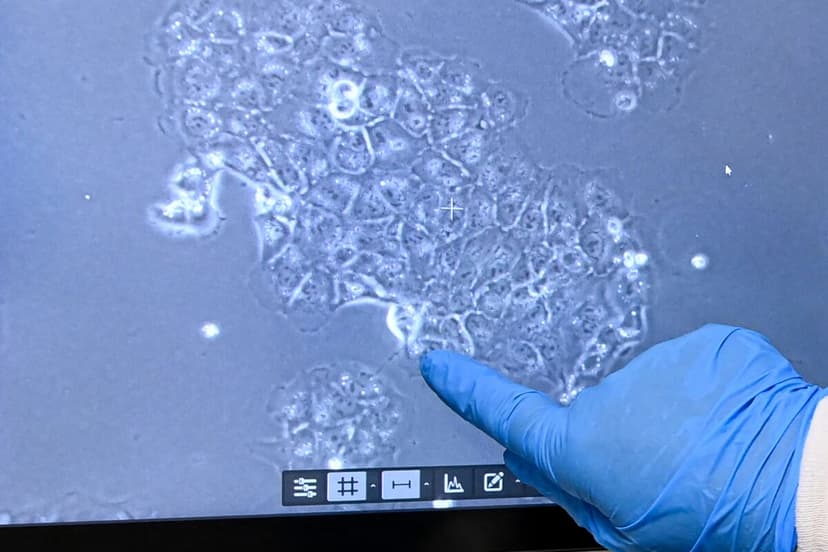
An artificial intelligence system named Redmod has demonstrated the capability to detect pancreatic cancer significantly earlier than traditional methods. Developed by researchers at the Mayo Clinic and collaborators, the AI analyzes patterns in CT scans that are imperceptible to human vision.
This advanced model identified subtle changes in routine CT scans, on average, about 475 days before patients were officially diagnosed. The study, published in the journal Gut, highlighted the AI's remarkable accuracy, correctly identifying 73% of pancreatic cancer cases, substantially outperforming radiologists who identified only 39% of cases.
Pancreatic cancer is notoriously difficult to detect early, with over 85% of cases diagnosed at advanced stages where treatment options are limited. The Redmod system's ability to flag potential cases years in advance, even when initial scans appear normal, offers a promising new avenue for intervention.
Researchers noted the AI's consistent performance across different hospitals and scanners. The system also correctly classified over 80% of scans from individuals who did not develop cancer, indicating high specificity. Prospective testing is needed to confirm if this tool can improve patient outcomes before routine clinical adoption.
If validated, such tools could revolutionize pancreatic cancer diagnosis, shifting focus from symptom-based detection to proactive risk identification. Experts emphasize that the timing of diagnosis is the most critical factor for survival, with early detection potentially doubling survival rates.
