Home / Health / Aging Well: Key Diet Shifts for Seniors
Aging Well: Key Diet Shifts for Seniors
17 Mar
Summary
- Lean protein intake of 25-30 grams per meal helps maintain muscle mass.
- Calcium intake should be 1,200 mg daily for women over 50 and men over 70.
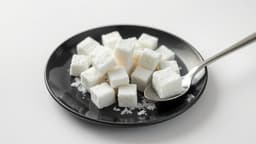
- Limit highly processed foods, sugars, saturated fats, and excess sodium.

Nutritional requirements change as individuals age, with specific focus shifting to maintaining strength and metabolic function. Prioritizing lean protein, with recommendations of 25 to 30 grams per meal, is essential to counteract age-related muscle loss, known as sarcopenia, which can begin around age 30.
Maintaining adequate protein intake helps preserve muscle mass, reducing risks of falls and metabolic issues like insulin resistance. Alongside protein, a diet rich in whole foods like vegetables, fruits, and whole grains is advised. Key micronutrients to emphasize include calcium, vitamin D, and vitamin B12, as absorption can decrease with age.
Specific recommendations for calcium intake rise to 1,200 mg daily for women over 50 and men over 70 to support bone health and prevent osteoporosis. Similarly, vitamin D needs increase for adults in their 70s and older. Fiber remains important for digestive and cardiovascular health.
It is advisable to limit highly processed foods, added sugars, saturated fats, and excess sodium. While caloric needs may decrease due to slower metabolism, the emphasis should be on nutrient-dense foods to ensure optimal health and longevity.