Home / Health / Hidden Autism: Adults Finding Answers Later in Life
Hidden Autism: Adults Finding Answers Later in Life
2 Apr
Summary
- Many adults, especially women, receive autism diagnoses in their 50s and 60s.
- COVID-19 pandemic facilitated self-reflection leading to diagnoses.
- Children's evaluations increasingly prompt parents to recognize autism in themselves.
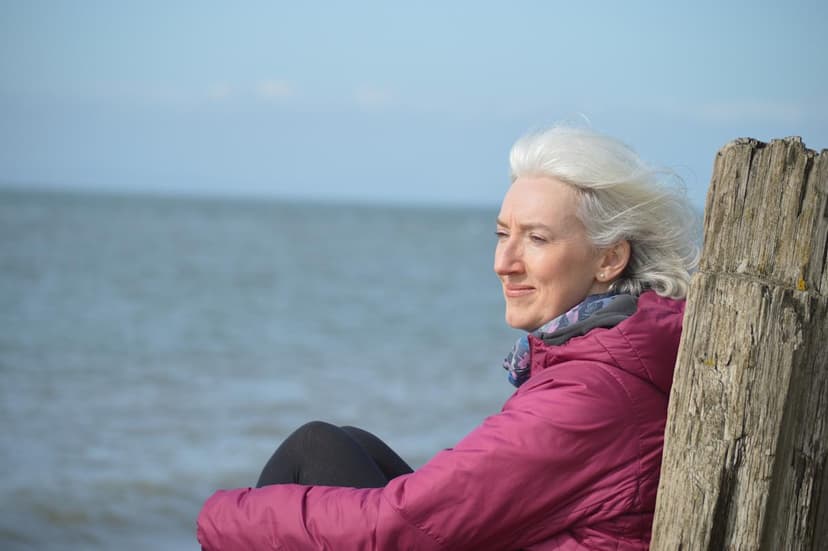
Adults, many of whom are women, are increasingly being diagnosed with autism in their 50s and 60s. This trend is accelerating, with a significant rise in adult diagnoses noted between 2011 and 2022. The COVID-19 pandemic played a role, offering a quieter environment for self-reflection and reduced social pressures, leading many to seek answers.
Another common path to diagnosis is through a child's evaluation, prompting parents to recognize similar patterns in themselves. The co-occurrence of ADHD and autism, known as AuDHD, also frequently leads adults to an autism diagnosis after an initial ADHD assessment. Historical factors, including a focus on male-presenting autism and societal stigma, contributed to many individuals, especially females and those with higher IQs, slipping through diagnostic nets.
Coping mechanisms like masking and mirroring, while enabling individuals to navigate social demands, often concealed their neurodivergence. This late discovery can mean missing out on early support systems. For Black women, additional layers of racial bias and misinterpretation of symptoms as mood or eating disorders complicate diagnosis. The emergence of podcasts and online communities provides vital support and connection for those discovering their neurodivergence later in life.


