Home / Health / ADHD Meds Target Reward, Not Attention Centers
ADHD Meds Target Reward, Not Attention Centers
7 Jan
Summary
- Stimulant ADHD medications may act on reward and wakefulness centers.
- Drugs appear to make boring tasks feel more rewarding.
- Sleep quality significantly impacts stimulant effectiveness in children.
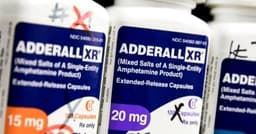
A recent study indicates that stimulant medications used to treat ADHD, such as Ritalin and Adderall, may operate on different brain regions than previously assumed. Instead of targeting attention systems, these drugs appear to activate the brain's reward and wakefulness centers. This revised understanding suggests the medications might help by making less engaging tasks feel more rewarding, thereby improving focus and performance for individuals with ADHD.
The research analyzed brain scans of children, finding that stimulant use correlated with increased activity in reward and wakefulness areas, not attention networks. This finding challenges decades of medical assumptions. Experts emphasize that while the mechanism may differ, these medications remain effective for many children, aiding in school performance and benefiting those with insufficient sleep.
Furthermore, the study highlighted the significant impact of sleep on the efficacy of ADHD medications. Stimulants proved beneficial for children with ADHD and even for those without the diagnosis who experienced poor sleep. However, their impact on school performance was diminished in well-rested children without ADHD, underscoring the critical role of adequate sleep.