feedzop-word-mark-logo
searchLogin
Feedzop
homeFor YouUnited StatesUnited States
You
bookmarksYour BookmarkshashtagYour Topics
Trending
Terms of UsePrivacy PolicyAboutJobsPartner With Us

© 2026 Advergame Technologies Pvt. Ltd. ("ATPL"). Gamezop ® & Quizzop ® are registered trademarks of ATPL.

Gamezop is a plug-and-play gaming platform that any app or website can integrate to bring casual gaming for its users. Gamezop also operates Quizzop, a quizzing platform, that digital products can add as a trivia section.

Over 5,000 products from more than 70 countries have integrated Gamezop and Quizzop. These include Amazon, Samsung Internet, Snap, Tata Play, AccuWeather, Paytm, Gulf News, and Branch.

Games and trivia increase user engagement significantly within all kinds of apps and websites, besides opening a new stream of advertising revenue. Gamezop and Quizzop take 30 minutes to integrate and can be used for free: both by the products integrating them and end users

Increase ad revenue and engagement on your app / website with games, quizzes, astrology, and cricket content. Visit: business.gamezop.com

Property Code: 5571

Home / Health / ADHD Meds Target Reward, Not Attention Centers

ADHD Meds Target Reward, Not Attention Centers

7 Jan

•

Summary

  • Stimulant ADHD medications may act on reward and wakefulness centers.
  • Drugs appear to make boring tasks feel more rewarding.
  • Sleep quality significantly impacts stimulant effectiveness in children.

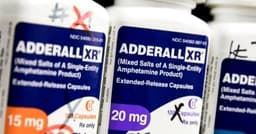
A recent study indicates that stimulant medications used to treat ADHD, such as Ritalin and Adderall, may operate on different brain regions than previously assumed. Instead of targeting attention systems, these drugs appear to activate the brain's reward and wakefulness centers. This revised understanding suggests the medications might help by making less engaging tasks feel more rewarding, thereby improving focus and performance for individuals with ADHD.

The research analyzed brain scans of children, finding that stimulant use correlated with increased activity in reward and wakefulness areas, not attention networks. This finding challenges decades of medical assumptions. Experts emphasize that while the mechanism may differ, these medications remain effective for many children, aiding in school performance and benefiting those with insufficient sleep.

Furthermore, the study highlighted the significant impact of sleep on the efficacy of ADHD medications. Stimulants proved beneficial for children with ADHD and even for those without the diagnosis who experienced poor sleep. However, their impact on school performance was diminished in well-rested children without ADHD, underscoring the critical role of adequate sleep.

trending

Australia influenza cases rising sharply

trending

Tornado warning in Oklahoma

trending

Miami, Ole Miss in Semifinals

trending

NASA ISS spacewalks in January

trending

Hartford is Zillow's hottest market

trending

UVA basketball player injured

trending

Costco stock rallies after sales

trending

Long COVID symptoms overlap

trending

Dallas weather: cooler temperatures

Disclaimer: This story has been auto-aggregated and auto-summarised by a computer program. This story has not been edited or created by the Feedzop team.
Yes, studies show these medications help children with ADHD perform better in school and on tests.
The research suggests these stimulants target the brain's reward and wakefulness centers, making challenging tasks more rewarding.
Adequate sleep is crucial; stimulants are less effective for school performance in children who sleep well and do not have ADHD.

Read more news on

Healthside-arrow

You may also like

Generic ADHD Drug Boosts US Access

9 hours ago • 2 reads

article image

ADHD Meds Boost Alertness, Not Focus Directly

26 Dec, 2025 • 80 reads

article image

ADHD: Hidden Strengths Revealed by Study

24 Dec, 2025 • 65 reads

article image

Digital Health Firm Charged in $100M Adderall Scheme

18 Dec, 2025 • 110 reads

article image

Girls' ADHD Overlooked: Study Reveals School Blind Spots

14 Dec, 2025 • 126 reads

article image