Home / Health / ADHD and Body Clocks: A Surprising Link
ADHD and Body Clocks: A Surprising Link
3 Nov
Summary
- Many with ADHD have delayed sleep and wake times.
- Up to 80% of adults with ADHD experience sleep issues.
- Children with ADHD often face delayed sleep onset.
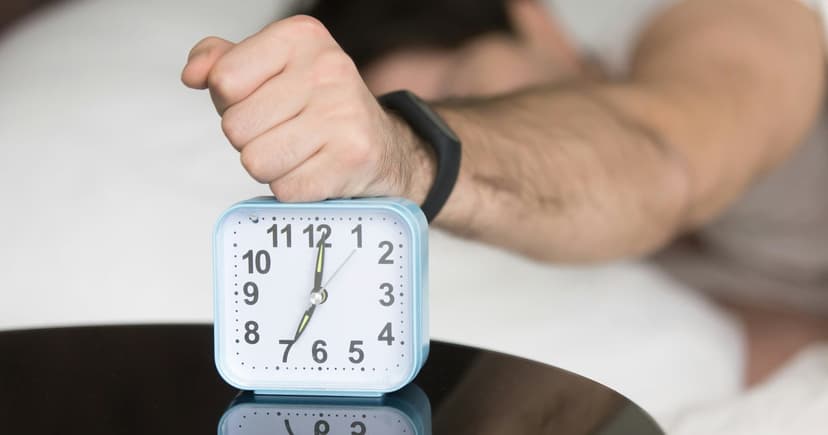
A growing body of research highlights a strong connection between ADHD and the body's internal clock, or circadian rhythm. Many individuals diagnosed with ADHD exhibit a tendency to be 'night owls,' experiencing later sleep and wake times than average.
This connection is particularly evident in sleep disturbances, which affect a significant portion of the ADHD population. Approximately 80% of adults with ADHD report issues with sleep, including insomnia. Their internal 'sleep signal' appears to be delayed by about 90 minutes.
Furthermore, studies reveal altered cortisol rhythms and gene expression related to biological clocks in individuals with ADHD. This disruption can notably impact their quality of life, especially when their internal schedules conflict with societal demands.
Even in childhood, the influence of body clocks is observed, with 50-70% of children with ADHD experiencing sleep problems, such as delayed sleep onset. While a delayed body clock may not directly cause ADHD, it can exacerbate symptoms.


