Home / Health / 3D-Printed Breasts Offer New Hope to Survivors
3D-Printed Breasts Offer New Hope to Survivors
2 Feb
Summary
- 3D-printed scaffolds use patient's own cells for reconstruction.
- This technology aims to restore dignity and wholeness post-surgery.
- GenesisTissue seeks FDA approval for their regenerative implant.
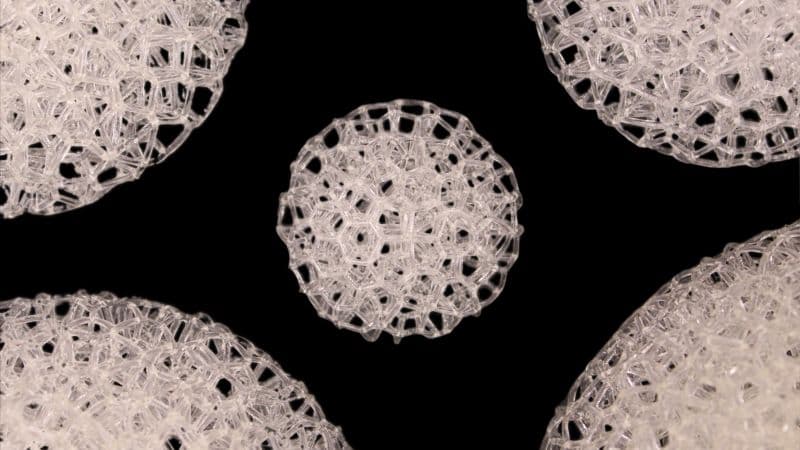
Katie Weimer, a biomechanical engineer from Colorado, is developing 3D-printed breast tissue scaffolds designed to offer hope to breast cancer survivors. Her startup, GenesisTissue, founded in 2024, utilizes advanced bioprintable materials to create personalized scaffolds. Surgeons can inject a patient's own fat cells into these scaffolds, encouraging natural tissue regeneration and aiming to restore a woman's sense of wholeness after lumpectomies or mastectomies.
This regenerative approach seeks to overcome the limitations of current breast implants, which carry FDA warnings for potential health risks. Weimer's technology focuses on using the patient's own cells, thereby eliminating foreign material rejection risks. The personalized scaffolds are custom-sized using patient scans, ensuring a precise fit. While still in the preclinical stages, GenesisTissue has shown promising results and is moving towards clinical trials and FDA approval.
Weimer's inspiration stems from her personal experience with her mother's death from breast cancer. She believes in improving the future of mankind through regenerative medicine. The field of bioprinting is rapidly advancing, with other researchers also exploring 3D-printed tissues for various medical applications. Weimer, mentored by the inventor of 3D printing, Charles Hull, is determined to make her technology a reality for women worldwide, offering a lasting reconstruction from their own tissues.