Home / Health / Seniors: Is 150/80 Blood Pressure Dangerous?
Seniors: Is 150/80 Blood Pressure Dangerous?
23 Dec, 2025
Summary
- Systolic pressure of 150 mmHg in seniors raises risks.
- A single 150/80 reading is rarely an emergency.
- Lifestyle changes aid blood pressure control after 65.
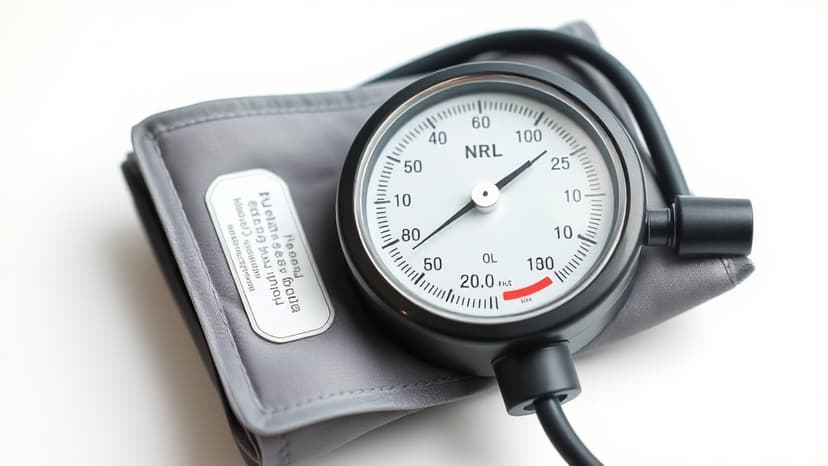
For individuals aged 65 and older, a blood pressure reading of 150/80 mmHg, specifically the elevated systolic number, is a significant concern. Cardiologists explain that while the diastolic pressure of 80 mmHg is within normal limits, persistently high systolic pressure can quietly damage vital organs and blood vessels over time. This condition, known as isolated systolic hypertension, is common in older adults due to natural arterial stiffening.
While a single 150/80 mmHg reading typically does not signify an immediate medical emergency, it serves as a crucial signal to monitor blood pressure closely. Doctors often aim for systolic blood pressure below 140 mmHg in healthy seniors, but targets may be personalized to avoid adverse effects like dizziness or fainting. The goal is to balance cardiovascular risk reduction with patient safety.
Positive lifestyle modifications, including regular walking, limiting salt consumption, maintaining a healthy weight, managing stress, and adhering to prescribed medications, can make a substantial difference in blood pressure control for seniors. It is never too late to adopt these habits for improved heart health and reduced long-term health risks.