Home / Health / 1,000 Babies Screened in Rare Genetic Illness Study
1,000 Babies Screened in Rare Genetic Illness Study
31 Jan
Summary
- The Generation Study aims to screen 100,000 babies for over 200 treatable genetic conditions.
- Whole genome sequencing technology is used to analyze DNA for genetic changes.
- A baby was diagnosed with rare eye cancer, potentially saving their eyesight due to early detection.
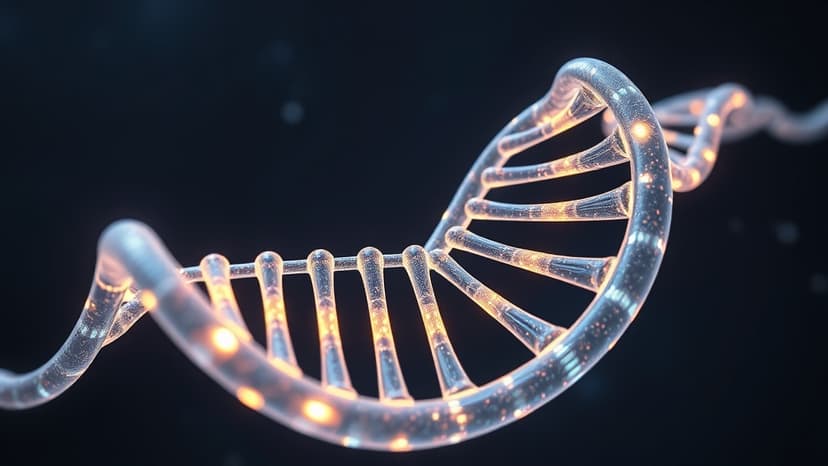
A significant milestone has been reached in a revolutionary study aimed at detecting rare genetic illnesses in newborn babies, with its 1,000th participant now enrolled. The Generation Study, a collaboration between Genomics England and the NHS, intends to screen 100,000 infants.
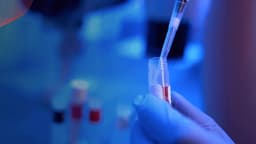
This ambitious initiative employs whole genome sequencing technology to identify more than 200 treatable conditions. The process involves collecting a newborn's blood sample, typically from the umbilical cord, for DNA extraction and analysis of genetic anomalies.
The study has already demonstrated its life-changing potential. One baby born at the Jessop Wing maternity hospital was diagnosed with a rare eye cancer through the scheme. This early diagnosis, crucial as there was no known family history, offers hope that the child's eyesight can be saved by ongoing treatment.