Home / Environment / Wolves Reshape Yellowstone: A Rewilding Success
Wolves Reshape Yellowstone: A Rewilding Success
29 Jul
Summary
- Yellowstone wolves' return spurred significant willow growth, doubling height.
- Recovered vegetation improved riverbanks, bird habitats, and stream shade.
- Rewilding efforts show nature's rapid recovery potential globally.
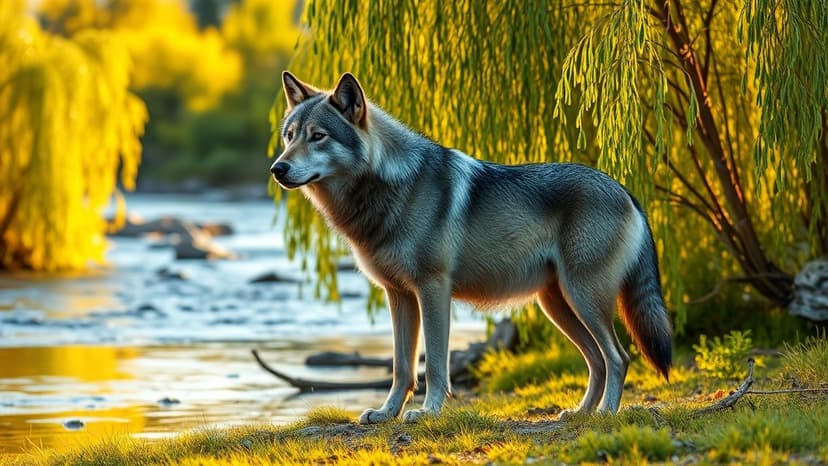
When grey wolves returned to Yellowstone National Park in 1995-96 after a 70-year absence, scientists observed more than just a reduction in elk numbers. A 2025 synthesis published in Global Ecology and Conservation revealed that the presence of wolves initiated a significant trophic cascade, revitalizing the park's vegetation. Average willow height on the northern range more than doubled between 2001 and 2020, with willow crown volume expanding by approximately 1,500%.
The recovery of willows, a direct result of wolves reducing elk browsing pressure, led to substantial environmental improvements. Taller shrubs and trees provided shade for streams, enhanced nesting habitats for birds, and increased riverbank stability. These findings position Yellowstone's ecological response above many documented trophic cascades globally. The park's successful rewilding highlights how restoring top predators can fundamentally alter ecosystems from the food chain down to plant life.
This ecological restoration success story in Yellowstone has inspired similar rewilding initiatives worldwide. In the English uplands, reducing sheep grazing has allowed native trees and shrubs to naturally recolonize areas, accelerating woodland regeneration and carbon storage. India is also implementing large-scale restoration projects, combining habitat protection with community involvement to recover degraded landscapes. These global examples demonstrate that ecosystems can recover remarkably quickly when long-term conservation replaces exploitation, offering hope for biodiversity in human-dominated environments.


