Home / Environment / Yellowstone Wolves: Reintroduction, Rivalries, and Re-evaluation
Yellowstone Wolves: Reintroduction, Rivalries, and Re-evaluation
8 Nov
Summary
- Gray wolves, extinct in the 1920s, returned to Yellowstone in 1995-1996.
- Wolf packs formed complex social structures, with females often leading.
- The impact of wolves on Yellowstone's ecosystem is debated by scientists.
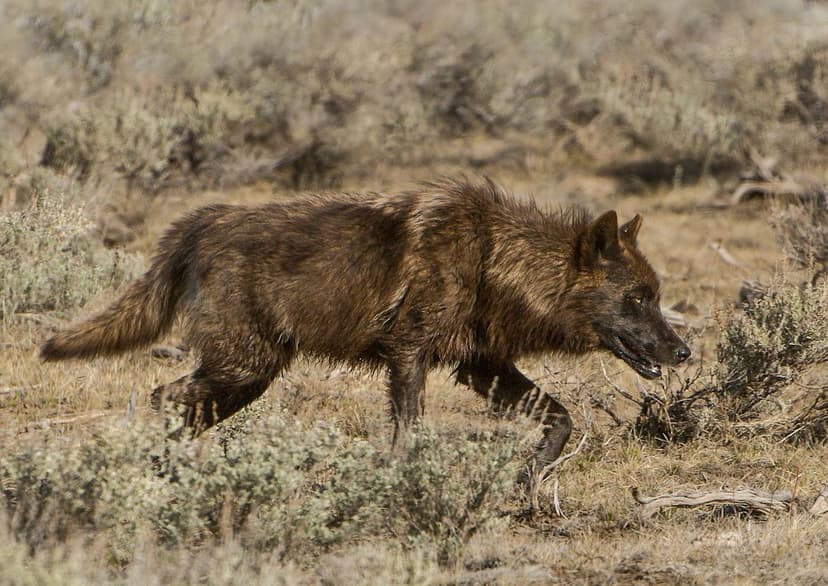
Gray wolves, once eradicated by the 1920s, began a historic comeback in Yellowstone National Park in 1995 and 1996. These reintroductions led to the formation of legendary packs, such as the Druid Peak pack, which once numbered 37 wolves, and Mollie's Pack, known for hunting bison. Decades of observation by naturalists like Rick McIntyre revealed complex social structures, with alpha females often making key decisions for the pack.
Initially, the wolves' return was hailed for triggering a trophic cascade, purportedly restoring vegetation like aspen and willow by preying on elk. However, this narrative is now contested. Ecologist Dan Macnulty argues that other factors, including the hunting of mountain lions and park management practices, also contributed to ecosystem changes.
Macnulty suggests that the wolves' influence on the broader ecosystem might be less significant than originally believed. While other scientists contest this, asserting that aspen recovery remains ecologically important, the primary goal of reintroduction was conservation, not solely ecosystem transformation. Yellowstone's wolves remain a significant draw for tourism and a subject of ongoing scientific study.


