Home / Environment / Yamuna Pollution: Delhi's Sewage Gap Widens
Yamuna Pollution: Delhi's Sewage Gap Widens
1 Dec, 2025
Summary
- Delhi faces a 414 MLD sewage treatment gap.
- Daily solid waste generation exceeds processing capacity by 4,221 tonnes.
- ₹6,534 crore sanctioned for 35 Yamuna rejuvenation projects.
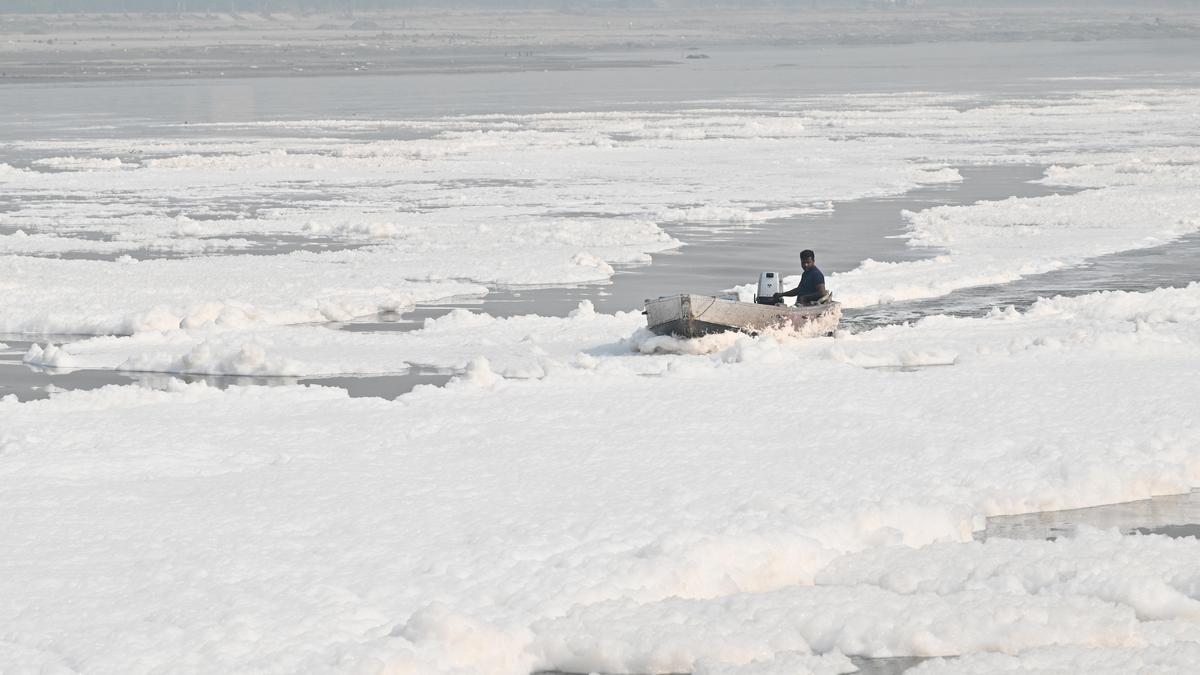
The Yamuna River continues to suffer from severe pollution in the national capital, attributed to untreated sewage, a lack of effluent treatment plants, project delays, and inadequate solid waste processing. As of August 2025, Delhi reported a substantial sewage treatment gap of 414 million liters per day (MLD).
Daily, Delhi generates 11,862 tonnes of solid waste, yet possesses the capacity to treat only 7,641 tonnes, leaving a deficit of 4,221 tonnes daily. Despite substantial financial investments, including ₹5,536 crore spent in the last three financial years, these fundamental issues persist.
Efforts are underway for the Yamuna's rejuvenation, with the National Mission for Clean Ganga supporting 35 sanctioned projects totaling ₹6,534 crore, aiming to increase sewage treatment capacity by 2,243 MLD. Of these, 21 projects have already been completed.