Home / Environment / Medicinal plants: the hidden heroes of conservation
Medicinal plants: the hidden heroes of conservation
3 Mar
Summary
- Medicinal and aromatic plants are crucial for health and heritage.
- Overharvesting threatens 20% of medicinal plant species globally.
- Traditional medicine relies heavily on these plants for healthcare.
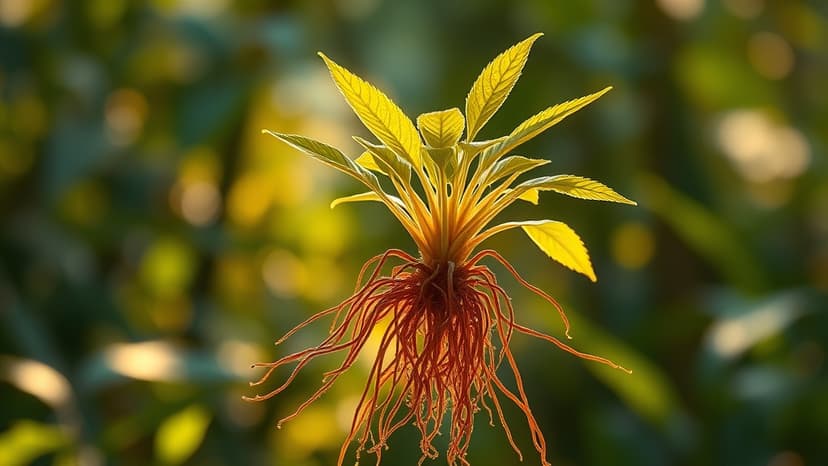
World Wildlife Day 2026, observed on March 3, shifts focus to "Medicinal and Aromatic Plants: Conserving Health, Heritage and Livelihoods." These plants are fundamental to traditional medicine, used by 70-95% of people in developing countries for primary healthcare. They also contribute significantly to the cosmetics, food, and luxury goods sectors.
The increasing global demand for these plants presents a conservation challenge. Approximately 1,500 medicinal and aromatic plant species are listed under CITES, and over 20% are on the IUCN Red List due to overharvesting, habitat loss, and illicit trade. This situation directly impacts millions, particularly in remote communities who rely on wild harvesting for income.
The conservation of these plants is intertwined with economic policy and sustainable practices. The global market for traditional medicine and herbal supplements is substantial, underscoring the economic importance of safeguarding these resources. This year's observance aligns with the Kunming-Montreal Global Biodiversity Framework's targets on sustainable use and benefit-sharing.