feedzop-word-mark-logo
searchLogin
Feedzop
homeFor YouUnited StatesUnited States
You
bookmarksYour BookmarkshashtagYour Topics
Trending
Terms of UsePrivacy PolicyAboutJobsPartner With Us

© 2026 Advergame Technologies Pvt. Ltd. ("ATPL"). Gamezop ® & Quizzop ® are registered trademarks of ATPL.

Gamezop is a plug-and-play gaming platform that any app or website can integrate to bring casual gaming for its users. Gamezop also operates Quizzop, a quizzing platform, that digital products can add as a trivia section.

Over 5,000 products from more than 70 countries have integrated Gamezop and Quizzop. These include Amazon, Samsung Internet, Snap, Tata Play, AccuWeather, Paytm, Gulf News, and Branch.

Games and trivia increase user engagement significantly within all kinds of apps and websites, besides opening a new stream of advertising revenue. Gamezop and Quizzop take 30 minutes to integrate and can be used for free: both by the products integrating them and end users

Increase ad revenue and engagement on your app / website with games, quizzes, astrology, and cricket content. Visit: business.gamezop.com

Property Code: 5571

Home / Environment / Wood Stork Recovery: Endangered Bird Thrives in Georgia

Wood Stork Recovery: Endangered Bird Thrives in Georgia

11 Feb

•

Summary

  • Wood stork population has significantly increased, leading to removal from endangered list.
  • Habitat loss caused a 75% population drop, but conservation efforts reversed this trend.
  • Advocates express concern over continued wetland habitat loss despite recovery.

Wood Stork Recovery: Endangered Bird Thrives in Georgia

A significant conservation success is unfolding as the wood stork, the only true stork species breeding in the United States, is slated for removal from the federal endangered species list. This iconic bird, once facing extinction, has seen its population recover substantially over recent decades.

Listed under the Endangered Species Act in 1984, the wood stork's numbers had plummeted by more than 75% due to widespread habitat loss. However, dedicated conservation efforts have led to a resurgence, with current estimates indicating between 10,000 and 14,000 nesting pairs across approximately 100 sites.

The recovery means the wood stork is now found in 13 counties in southern Georgia and along its coast, as well as in several other Southeastern states. Officials credit collaborative work for this positive outcome and are removing protections for species that no longer require them.

trending

Salesforce lays off 1000

trending

India US trade tariffs slashed

trending

Margot Robbie's Wuthering Heights panned

trending

CBSE board exams: key details

trending

Jana Nayagan movie court case

trending

Dhakshineswar Suresh Davis Cup hero

trending

Deepika Padukone wears Gaurav Gupta

trending

NZ vs UAE match prediction

trending

iPhone 17 Croma Valentine's sale

Despite the good news, some environmental advocates are concerned. Organizations like the Southern Environmental Law Center argue that the delisting is premature, citing ongoing pressure on essential wetland habitats and the impacts of climate change. They believe that reduced habitat protections pose a continuing risk to the wood stork and other species.

Disclaimer: This story has been auto-aggregated and auto-summarised by a computer program. This story has not been edited or created by the Feedzop team.
The wood stork is being removed from the endangered species list because its population has recovered significantly, with an estimated 10,000 to 14,000 nesting pairs now present.
Historically, the wood stork population dropped by over 75% primarily due to habitat loss.
Yes, some advocates worry that ongoing wetland habitat loss and the impacts of climate change could still pose threats to the wood stork's population.

Read more news on

Environmentside-arrow

You may also like

Ontario Bears: New Rules Could Shake Up Hunting Seasons

31 Jan • 58 reads

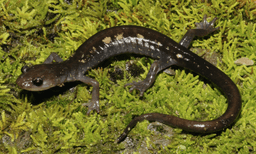
Salamander Faces Extinction: Lawsuit Filed for Protection

16 Jan • 150 reads

article image

Gadgil and His Legacy: Conservation Rooted in Human Life

9 Jan • 187 reads

article image

Gray Wolves: Unsung Heroes of Road Safety

7 Jan • 153 reads

article image

Poachers Target Migratory Birds at Akera Lake

24 Dec, 2025 • 245 reads

article image