
Home / Environment / Wolves Flee Human Presence Even in Protected Areas
Wolves Flee Human Presence Even in Protected Areas
2 Oct, 2025
Summary
- Wolves avoid human proximity despite protective measures
- Wolves react more strongly to human voices than natural sounds
- Wolves restrict activities to night to avoid human encounters
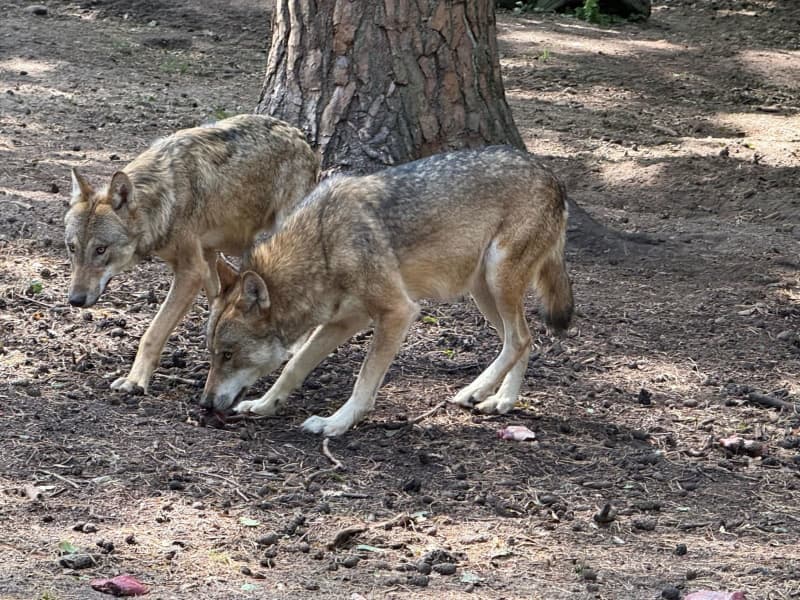
According to a study published in the Current Biology journal on October 2, 2025, wolves continue to exhibit a strong fear of humans even in areas where they are legally protected. The study, led by wildlife ecologist Liana Zanette from Western University in Canada, observed wolves in a large region of Poland and found that the predators deliberately avoid human proximity.
Using hidden cameras and speakers, the research team recorded how wolves reacted to various sounds. The data showed that wolves were more than twice as likely to run and abandon an area when they heard human voices compared to harmless bird calls. This heightened sensitivity to human presence was also observed in the wolves' prey, such as wild boar and deer.
Zanette explains that this fear-driven behavior is not exceptional for wolves, as humans are considered a "super predator" that kills large carnivores at nine times the natural rate. To avoid becoming prey, wolves have adapted by restricting their activities to the night in areas where humans live, a pattern observed worldwide.
The study emphasizes that legal protection does not automatically mean wolves have lost their natural shyness. Even in countries like France and Germany, where wolf populations are managed through limited culling, the predators maintain their cautious behavior around humans. Zanette recommends focusing the discourse on reducing wolf access to human food sources rather than assuming wolves have become fearless due to protective measures.
