Home / Environment / Winter Olympics Threatened by Rising Global Temperatures
Winter Olympics Threatened by Rising Global Temperatures
4 Feb
Summary
- Global warming reduces suitable host cities for Winter Olympics.
- Artificial snow is icier, posing risks to athletes.
- Many future host locations face unreliable snow conditions.
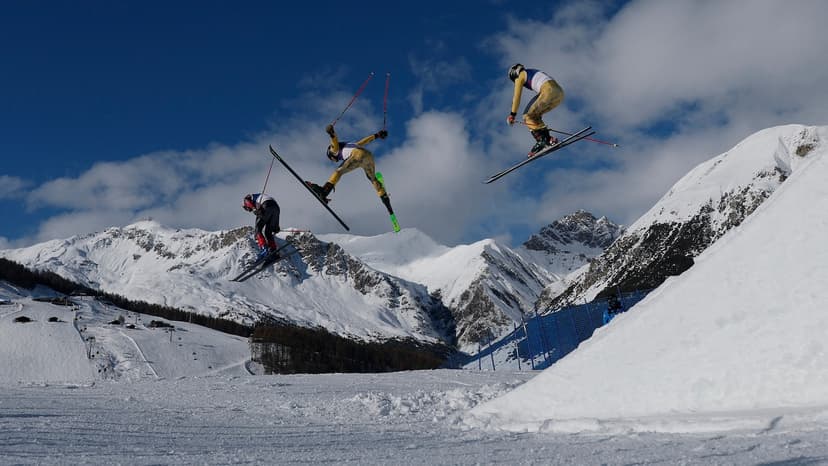
Climate change is making it increasingly difficult to host the Winter Olympics. Rising global temperatures mean that cities historically known for snowy climates are experiencing fewer freezing days and a significant decrease in natural snowfall. This warming trend has already impacted past host locations, with every site since 1950 experiencing warmer conditions.
The upcoming 2026 Milano Cortina Games in Italy highlight these challenges. Average temperatures in Cortina have risen substantially since it last hosted in 1956, leading to a nearly 20% drop in freezing days. Organizers have had to ship in millions of cubic yards of artificial snow, which creates a riskier, icier surface for athletes and adds to the competition's carbon footprint due to water and energy consumption.
Experts warn that by the 2050s, only 52 out of 93 potential host sites will likely have reliable conditions for the Winter Olympics. The French Alps, set to host in 2030, have already lost a third of their snowfall over the past century. Utah, preparing for the 2034 Games, is experiencing historically low snowfall this season, raising concerns about water supplies and drought conditions for the region.