Home / Environment / Feral animals spread deadly diseases to Nilgiris wildlife
Feral animals spread deadly diseases to Nilgiris wildlife
26 Nov
Summary
- Five of 12 wildlife deaths since 2005 in Nilgiris linked to feral animal infections.
- Canine distemper and rabies identified as causes of wildlife mortality.
- Government urged to manage free-ranging dogs near reserves to protect wildlife.
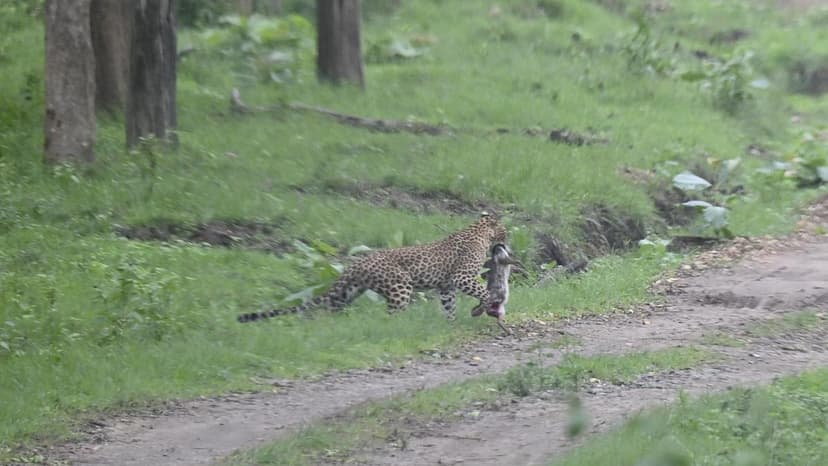
A concerning trend of wildlife deaths linked to infections from feral animals has been highlighted, with the Nilgiris district reporting five of the twelve incidents since 2005. Necropsy reports confirmed diseases like canine distemper and rabies as the causes of mortality in various species, including leopards, langurs, and sloth bears.
These outbreaks underscore the risks posed by frequent interactions between wildlife and free-ranging domestic animals. Conservationists suggest the actual number of affected animals could be higher, as not all deaths are reported. Consequently, there are calls for government intervention to manage domestic animal populations near wildlife reserves.
The Forest Department is actively implementing joint vaccination programs against diseases like rabies and canine distemper in several tiger reserves. These efforts aim to mitigate the spread of diseases from domestic animals to wildlife, safeguarding biodiversity in critical habitats.


