

Home / Environment / Wildfires Burn Later: Climate Change Extends Fire Season
Wildfires Burn Later: Climate Change Extends Fire Season
18 Apr
Summary
- Human-caused climate change is extending fire season hours.
- Potential burning hours in North America increased by 36%.
- Nighttime fires are harder to fight and gaining momentum.
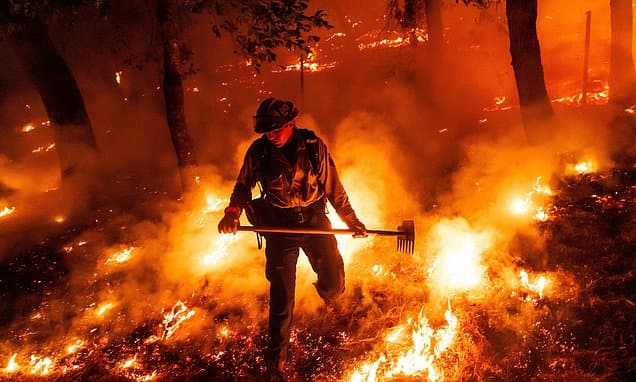
Wildfires in North America are burning for longer periods due to human-caused climate change, extending into the night and starting earlier in the morning. A recent study published in Science Advances indicates that the number of hours with weather conducive to wildfires has increased by 36% over the past five decades.
This extension is attributed to warmer and drier nighttime conditions. For instance, California has seen an increase of 550 potential burning hours since the mid-1970s, while parts of Arizona and New Mexico have experienced an increase of up to 2,000 hours annually. The study highlights that fires surging at night are considerably tougher to fight.
Scientists explain that warming atmospheres, along with reduced nighttime humidity, prevent fires from slowing down or extinguishing as they once did. This lack of a natural break allows fires to gain significant momentum early the next day, exacerbating their intensity and spread.
Researchers analyzed data from nearly 9,000 fires, correlating atmospheric conditions with fire behavior. The findings suggest that increased heat-trapping gases contribute to warmer nights, which consequently lead to less recovery of moisture in fuels. This makes forests more susceptible to burning.
