Home / Environment / Ancient Mud Walls Get New Protection in Whittlesey
Ancient Mud Walls Get New Protection in Whittlesey
9 Feb
Summary
- Rare 18th and 19th-century mud walls in Whittlesey are now protected.
- A new planning direction prevents alterations to the 28 remaining walls.
- These walls, a unique feature of Whittlesey, were built due to an old brick tax.
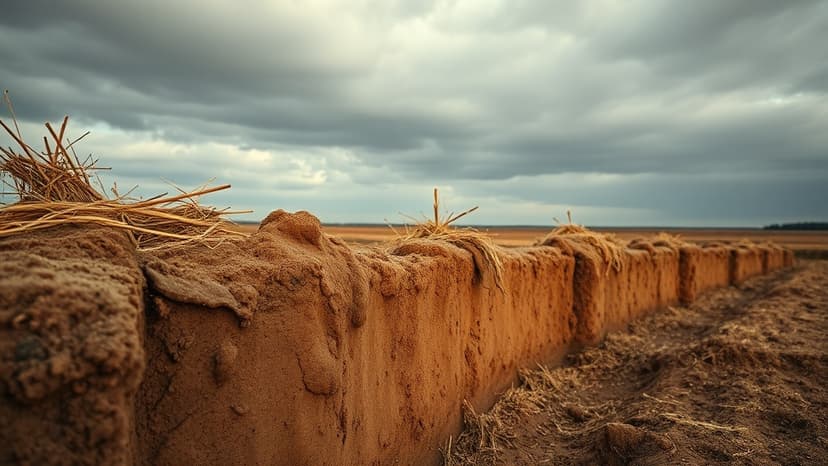
Rare mud walls dating from the 18th and 19th centuries in Whittlesey are receiving enhanced protection to prevent their complete disappearance. These unique structures were originally built as a cost-effective boundary solution, a practice spurred by the American War of Independence-era brick tax active between 1784 and 1850.
Fenland District Council has enacted an Article Four direction, meaning any modifications or demolition of the 28 surviving mud walls in the Cambridgeshire town now require formal planning permission. This measure addresses concerns that the walls are fragile and declining, with their loss undermining Whittlesey's historic character.
Conservation officers noted that while seven walls are already listed, 21 sections lacked formal protection. The new direction removes permitted development rights for alterations and demolition, providing greater enforcement power. Residents are reminded that these historical walls are rare and require preservation, contrasting with modern preferences for fences.
This initiative, supported by local councilors who meticulously documented the walls, aims to safeguard Whittlesey's heritage. The mud walls, traditionally thatched and often now protected by timber boarding, represent a unique historical building tradition found especially in East Anglia, with Whittlesey retaining an unusual quantity.