Home / Environment / Abalone's Comeback: Hope for Endangered Sea Snails
Abalone's Comeback: Hope for Endangered Sea Snails
8 Mar
Summary
- Innovative breeding program helps white abalone recover from near extinction.
- Scientists release over 20,000 white abalone into the ocean since 2011.
- Federal funding uncertainty was overcome by anonymous donors and grants.
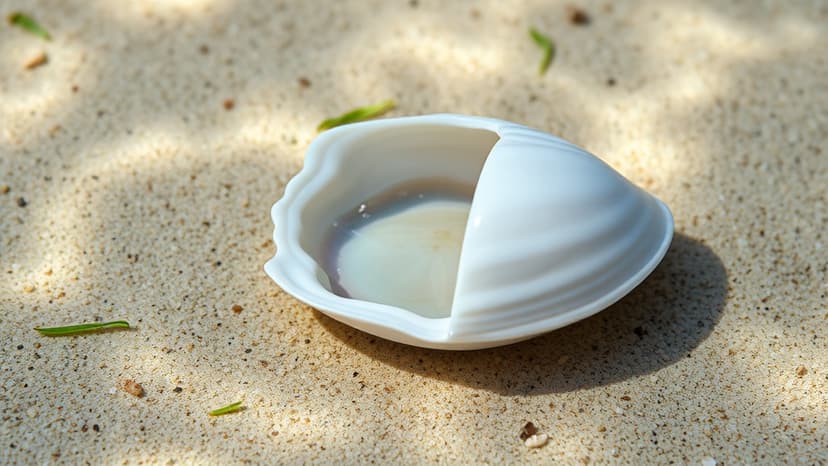
The white abalone, once abundant along California's coast, is experiencing a significant comeback through a dedicated breeding program. Scientists at the UC Davis Bodega Marine Laboratory are working to restore the endangered sea snail population. This initiative has successfully released over 20,000 individuals into the ocean since the lab opened in 2011.
In 2001, only about 2,000 white abalone remained, representing just 1% of their historical numbers. A ban on harvesting was implemented, and conservation efforts began. Despite facing potential budget cuts that threatened the program's funding last year, anonymous donors provided immediate support, followed by essential federal funding for the next two years.
The breeding program involves stimulating mature abalone to reproduce, a process that can yield millions of larvae. These larvae are then nurtured until they are ready for release into their native southern California waters. Efforts also address habitat degradation, such as the loss of kelp forests, crucial for abalone survival.
This restoration project offers a rare success story in conservation, providing hope for the species' long-term survival. Scientists are optimistic that with continued efforts, the white abalone can thrive once more. The program's future now appears more secure with renewed financial backing.