

Home / Environment / Dorsal Fins Disappear: Gulf Tensions Threaten Whale Sharks
Dorsal Fins Disappear: Gulf Tensions Threaten Whale Sharks
30 Mar
Summary
- Hundreds of whale sharks gather in northern Qatar for food.
- Maritime risks in the Strait of Hormuz disrupt feeding grounds.
- Pollution from conflict could contaminate the sharks' food source.
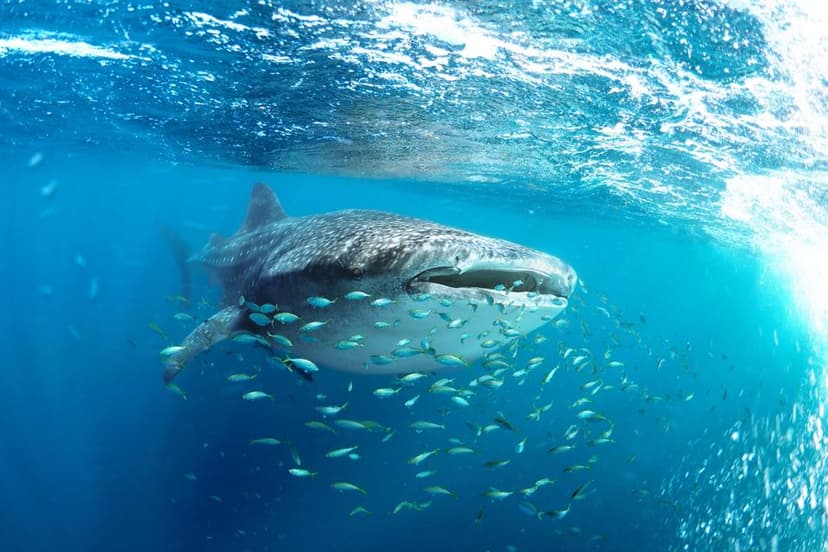
Each summer, hundreds of endangered whale sharks congregate in northern Qatar, drawn to a rich concentration of tuna eggs. This area, known for its productivity due to ocean currents, hosts one of the planet's largest seasonal whale shark gatherings. Researchers documented around 600 individuals in 2023, making it a globally significant feeding site.
However, escalating maritime risks in the Strait of Hormuz and the surrounding Gulf region have led to the cancellation of public viewing and swimming tours for the current year. Concerns are high that conflict-related contamination, such as oil spills, could mix with the tuna eggs, turning the sharks' food source into a toxic hotspot.
Scientists explain that whale sharks are highly responsive to feeding opportunities and may relocate if prey availability is affected by military activity. This shift could indirectly impact the species if they are forced into already crowded or polluted environments. The primary threats to whale sharks in the region previously included ship strikes and fishing.
Conservation efforts highlight that crucial habitats for endangered species often exist near industrial corridors and shipping lanes. The current situation underscores the need for de-escalation to protect marine life, including whale sharks and critically endangered dugongs, within the Arabian Gulf's vital ecosystems.
