

Home / Environment / From Cranberry Bogs to Thriving Wetlands: A Green Transformation
From Cranberry Bogs to Thriving Wetlands: A Green Transformation
15 Apr
Summary
- Restored cranberry farms are becoming vibrant wetland sanctuaries.
- Technology monitors land recovery, aiding future conservation efforts.
- Restoration projects provide a model for climate-resilient landscapes.
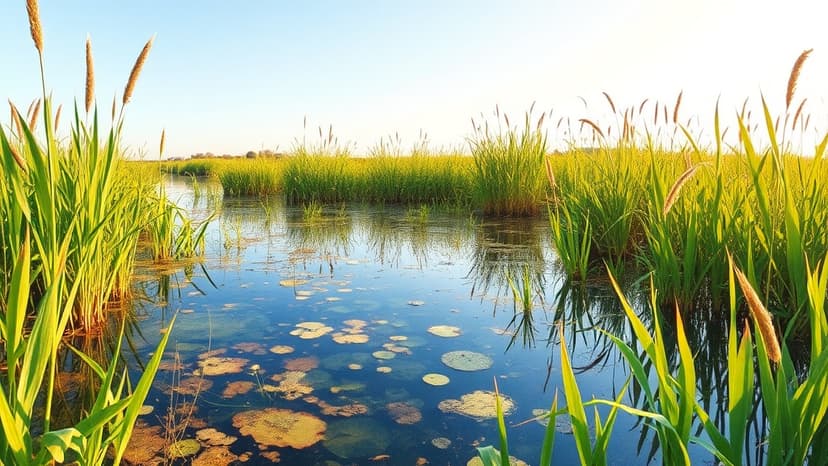
Hundreds of acres of former cranberry farms in Plymouth, Massachusetts, have been transformed into thriving wetland sanctuaries. Glorianna Davenport, a former cranberry farmer, led the initiative to restore her family's land into the Tidmarsh Wildlife Sanctuary. This ambitious project serves as a significant example of wetland restoration, with technology playing a crucial role.
A network of cameras and sensors monitors the land's recovery, providing publicly accessible data on its return to natural biodiversity. This living laboratory has yielded valuable insights, informing the state's Cranberry Bog Restoration Program and inspiring similar projects globally. Researchers have confirmed that former cranberry farms are highly restorable, with native seeds germinating in revitalized soil.
The restoration efforts at Tidmarsh have significantly improved water retention, soil health, and microbial communities. These revitalized landscapes are crucial for climate resilience, acting as natural barriers against floods and storms while absorbing carbon dioxide. The success at Tidmarsh offers a hopeful playbook for transforming agricultural lands into ecologically rich and climate-resilient environments.
