Home / Environment / Farmed Wetlands Boost Birdlife Dramatically
Farmed Wetlands Boost Birdlife Dramatically
12 Mar
Summary
- Wetland farming sites support three times more birds than drained grasslands.
- Rare wetland specialist birds thrive in farmed wetland habitats.
- Farmed wetlands offer financial viability and carbon storage benefits.
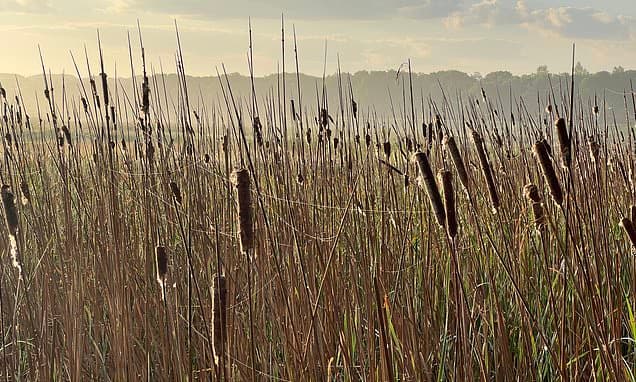
New research indicates that wetland farming sites can significantly enhance bird populations, supporting up to three times more species than traditional drained agricultural grasslands. These "paludiculture" sites also rival natural wetlands in their capacity to harbor birdlife.
Studies led by the RSPB and the University of Cambridge observed higher bird numbers on farmed wetland plots compared to ryegrass-dominated grasslands in the Netherlands. Notably, wetland specialist species, such as reed warblers and sedge warblers, were found utilizing the bulrush crops for nesting and feeding.
Beyond supporting diverse bird communities, including some of conservation concern, wetland farming presents economic opportunities. Crops like bulrush can be commercialized for insulation and textiles. This provides a financially sustainable method for rewetting lowland peatlands, like those in the East Anglian fens and Somerset Levels, thereby reducing carbon emissions and soil erosion.
While paludiculture doesn't fully replicate natural wetlands, it serves as a crucial habitat within broader landscapes. Optimizing cutting and harvesting times could further benefit breeding bird seasons. Trials are underway in the UK, including at the RSPB's Greylake reserve and through the Great Fen project, exploring best practices for these innovative farming methods.


