Home / Environment / West Faces Snow Drought: Water Supplies & Tourism at Risk
West Faces Snow Drought: Water Supplies & Tourism at Risk
6 Feb
Summary
- Western US faces a severe snow drought due to warmer temperatures.
- Low snowpack threatens vital water supplies and winter tourism economies.
- Salt Lake City records its lowest snowfall since 1874.
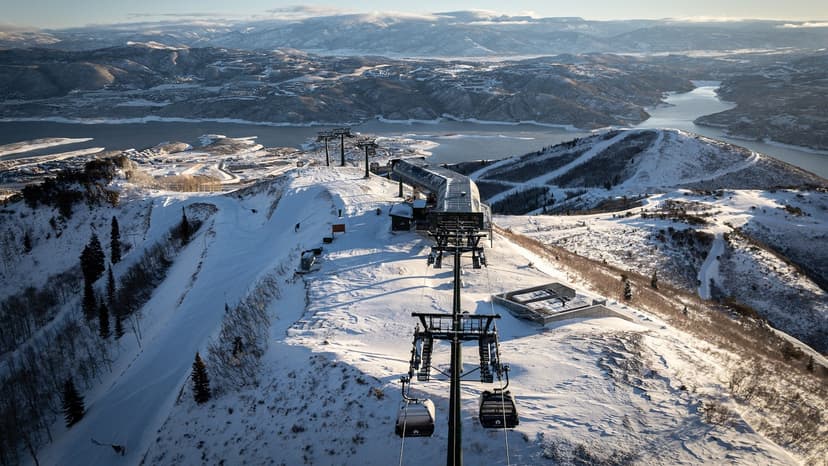
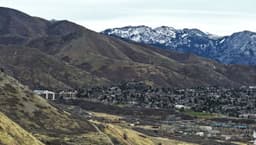
A severe snow drought is affecting much of the Western United States, with warmer temperatures causing precipitation to fall as rain instead of snow. This phenomenon, particularly acute in states like Utah and Colorado, has resulted in historically low snowpack levels, threatening the region's crucial water resources. Many western states have experienced their warmest winters on record.
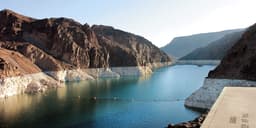
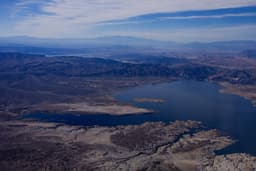
The reduced mountain snowpack acts as a natural reservoir, and its absence means less water available for communities, agriculture, and ecosystems through spring and summer melt. This shortfall significantly impacts water management, with major reservoirs in the Colorado River Basin, such as Lake Powell and Lake Mead, operating at alarmingly low capacities, affecting over 40 million people.
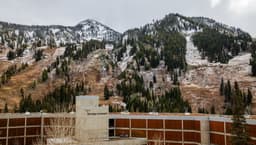
Beyond water security, the snow drought is severely impacting local economies reliant on winter tourism. Ski resorts are reporting substantial drops in skier visits and revenue due to limited operational terrain. For instance, one major resort operator noted a nearly 20% decrease in skier visits compared to the previous year. Forecasters suggest that while some precipitation is expected, it may not be enough to overcome the existing snow deficits.