Home / Environment / West Texas Black Bears Roar Back: A Growing Concern
West Texas Black Bears Roar Back: A Growing Concern
9 Dec, 2025
Summary
- Black bear populations are increasing in West Texas.
- Residents are adapting to bear presence with new deterrents.
- Habitat loss and overhunting historically reduced bear numbers.
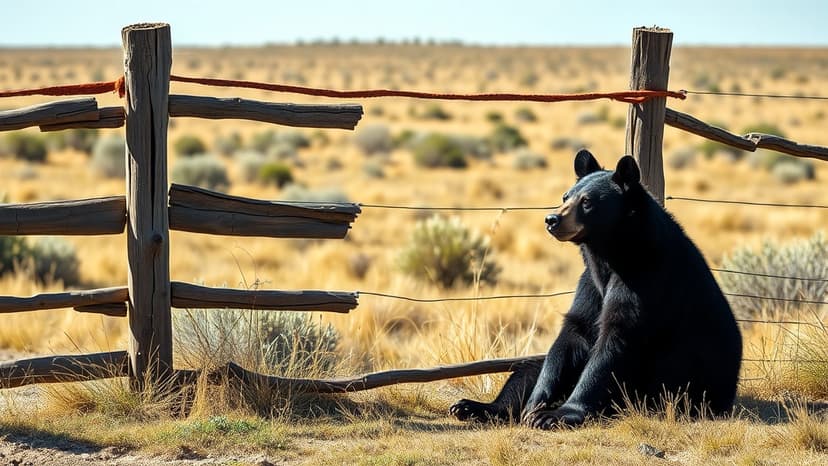
Black bear populations are experiencing a significant resurgence in the remote desert landscapes of West Texas, a region where they were once nearly extinct due to overhunting and habitat loss. Researchers are actively capturing and collaring bears to better understand their numbers, which are believed to be higher than previously thought. Sightings across the state have seen a substantial jump, indicating a growing presence.
While the return of these large predators is a conservation success, it has led to increased human-bear encounters. Residents in areas like Alpine are taking precautions, such as removing outdoor food and water sources and reinforcing fences, to protect their homes, livestock, and pets. This adaptation reflects a new reality for communities that haven't lived with black bears for generations.
Experts emphasize that coexistence requires removing attractants, as bears possess an exceptional sense of smell. Strategies seen in other states, like bear-resistant waste bins, offer potential solutions. As bear populations continue to expand from natural reserves due to reaching carrying capacity, West Texas is preparing for a future where black bears are a consistent part of the environment.