





Home / Environment / Western US Drowning in Record Heat, Bone Dry Snow Drought
Western US Drowning in Record Heat, Bone Dry Snow Drought
10 Feb
Summary
- Western US faces record heat and lowest snowpack in decades.
- Reduced snowpack threatens water supplies and increases wildfire risk.
- Climate change linked to extreme warmth causing the persistent snow drought.
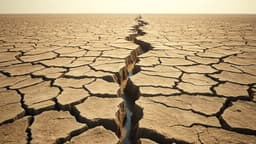
A severe snow drought, amplified by unprecedented heat, is gripping the American West, significantly depleting future water reserves and heightening wildfire risks.
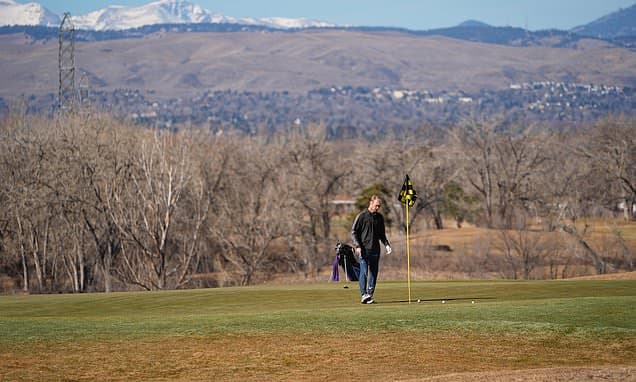
As of February 10, 2026, snow cover and depth are at their lowest levels in decades. Approximately 67 Western weather stations have recorded their warmest December through early February period on record. Normal snow cover, typically around 460,000 square miles, has shrunk to a California-sized area of only 155,000 square miles.
This persistent lack of snow, particularly in states like Oregon, Colorado, and Utah, is concerning. The snowpack, a crucial source of water when it melts, is significantly lower than previous record lows. For instance, Oregon's snowpack is 30% below its prior record. Salt Lake City has not received an inch of snow in 327 days, the longest stretch since 1890-91.
The consequences extend beyond winter recreation. A robust snowpack slowly melting provides water for agriculture, cities, and hydropower. Its absence means less water for rivers like the Colorado later in the season. Experts warn this dry spell could also trigger an early wildfire season as the ground dries out faster.
Scientists largely attribute this extreme warmth and snow drought to climate change, driven by the burning of fossil fuels. Much of the precipitation that would normally accumulate as snow is falling as rain, which evaporates or runs off more quickly. While wetter, cooler weather is expected this week, meteorologists are not optimistic about significant recovery to average snow levels.

