



feedzop-word-mark-logo
searchLogin
Feedzop
homeFor YouUnited StatesUnited States
You
bookmarksYour BookmarkshashtagYour Topics
Trending
Terms of UsePrivacy PolicyAboutJobsPartner With Us

© 2026 Advergame Technologies Pvt. Ltd. ("ATPL"). Gamezop ® & Quizzop ® are registered trademarks of ATPL.

Gamezop is a plug-and-play gaming platform that any app or website can integrate to bring casual gaming for its users. Gamezop also operates Quizzop, a quizzing platform, that digital products can add as a trivia section.

Over 5,000 products from more than 70 countries have integrated Gamezop and Quizzop. These include Amazon, Samsung Internet, Snap, Tata Play, AccuWeather, Paytm, Gulf News, and Branch.

Games and trivia increase user engagement significantly within all kinds of apps and websites, besides opening a new stream of advertising revenue. Gamezop and Quizzop take 30 minutes to integrate and can be used for free: both by the products integrating them and end users

Increase ad revenue and engagement on your app / website with games, quizzes, astrology, and cricket content. Visit: business.gamezop.com

Property Code: 5571

You may also like

UN: Earth is Living Beyond Its Hydrological Means

21 Jan • 127 reads

article image

Climate Crisis Costs US 12% Income Since 2000

16 Jan • 157 reads

article image

Earth's Ancient Climate Secrets Revealed in Tree Rings

13 Dec, 2025 • 308 reads

article image

Asia Floods Rage: Over 1,200 Dead, 1 Million Evacuated

3 Dec, 2025 • 549 reads

article image

Drought Triples Water Costs in California

3 Dec, 2025 • 134 reads

article image

Home / Environment / Western US Drowning in Record Heat, Bone Dry Snow Drought

Western US Drowning in Record Heat, Bone Dry Snow Drought

10 Feb

Summary

  • Western US faces record heat and lowest snowpack in decades.
  • Reduced snowpack threatens water supplies and increases wildfire risk.
  • Climate change linked to extreme warmth causing the persistent snow drought.
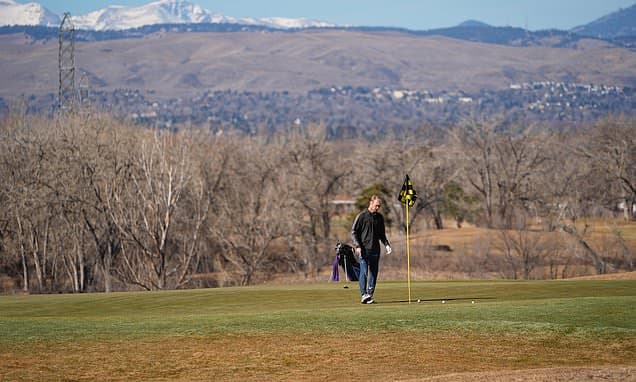
Western US Drowning in Record Heat, Bone Dry Snow Drought

A severe snow drought, amplified by unprecedented heat, is gripping the American West, significantly depleting future water reserves and heightening wildfire risks.

As of February 10, 2026, snow cover and depth are at their lowest levels in decades. Approximately 67 Western weather stations have recorded their warmest December through early February period on record. Normal snow cover, typically around 460,000 square miles, has shrunk to a California-sized area of only 155,000 square miles.

This persistent lack of snow, particularly in states like Oregon, Colorado, and Utah, is concerning. The snowpack, a crucial source of water when it melts, is significantly lower than previous record lows. For instance, Oregon's snowpack is 30% below its prior record. Salt Lake City has not received an inch of snow in 327 days, the longest stretch since 1890-91.

The consequences extend beyond winter recreation. A robust snowpack slowly melting provides water for agriculture, cities, and hydropower. Its absence means less water for rivers like the Colorado later in the season. Experts warn this dry spell could also trigger an early wildfire season as the ground dries out faster.

Scientists largely attribute this extreme warmth and snow drought to climate change, driven by the burning of fossil fuels. Much of the precipitation that would normally accumulate as snow is falling as rain, which evaporates or runs off more quickly. While wetter, cooler weather is expected this week, meteorologists are not optimistic about significant recovery to average snow levels.

Disclaimer: This story has been auto-aggregated and auto-summarised by a computer program. This story has not been edited or created by the Feedzop team.
Scientists largely attribute the extreme warmth and snow drought to climate change, driven by the burning of fossil fuels, which causes precipitation to fall as rain instead of snow.
The reduced snowpack means less water will replenish rivers later in the season, impacting water availability for agriculture, cities, and hydropower systems.
The low snowpack depletes future water supplies, makes the region more vulnerable to wildfires, and negatively impacts winter tourism and recreation.

Read more news on

Environmentside-arrow
•
trending

Salesforce lays off 1000

trending

India US trade tariffs slashed

trending

LeBron says Lakers not contenders

trending

CBSE board exams: key details

trending

New Zealand wary of UAE

trending

Deepika Padukone wears Gaurav Gupta

trending

Netherlands face prepared Namibia

trending

Herb may reverse hair loss

trending

Jana Nayagan movie court case