
Home / Environment / Snowpack Vanishes: West Faces Severe Water Crisis This Summer
Snowpack Vanishes: West Faces Severe Water Crisis This Summer
8 Apr
Summary
- Record warm winter and March heat wave decimated snowpack.
- Severe drought conditions predict serious wildfire risks.
- Water restrictions are increasingly likely across the West.
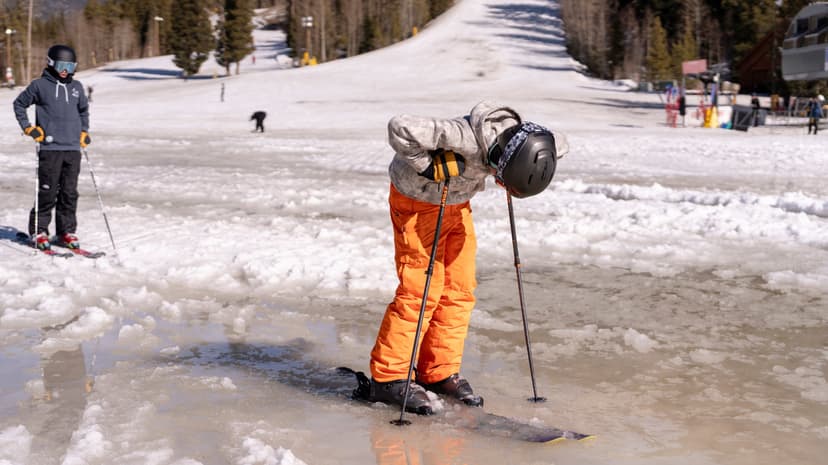
The Western United States is facing a severe drought and increased wildfire risks following a record-warm winter and a significant March heat wave. Snowpack, the region's primary water source, has nearly vanished across much of the Mountain West, with some measurement sites showing only traces of snow. This lack of snowpack means less water will be available from melting snow throughout the spring and summer.
Scientists warn of a "seriously dry summer ahead," with projected stream and river volumes expected to be among the smallest ever observed in areas like the Colorado River basin. Lake Powell's inflow is forecast to be a mere 22 percent of normal, raising concerns about record-low water levels. This situation is already prompting water agencies in cities like Denver and Salt Lake City to implement conservation measures and voluntary usage cuts.
The dry conditions have amplified fire dangers, contributing to over 1.6 million acres burning nationwide between January and March, more than double the recent decade's average. This crisis highlights the ongoing impact of climate change and is forcing a reevaluation of long-standing water management agreements in the West.
Adaptation to a warmer, drier climate is becoming essential. Experts suggest the need for infrastructure improvements to capture and efficiently use water resources, such as recycling. The potential for El Niño later in the year adds further uncertainty to future water availability, making proactive water management crucial.
